
Growth And Market Strategy For Landscaping Companies for Predictable Green-Industry Growth
Growth and market strategy for landscaping companies identifies where profit can grow before you commit crews, equipment, advertising, or management time. The best use is to rank markets, service lines, territories, and expansion options against demand, margin, capacity, and seasonality. It improves leads, efficiency, and revenue by directing demand toward work the operation can sell, staff, and retain profitably through the season.
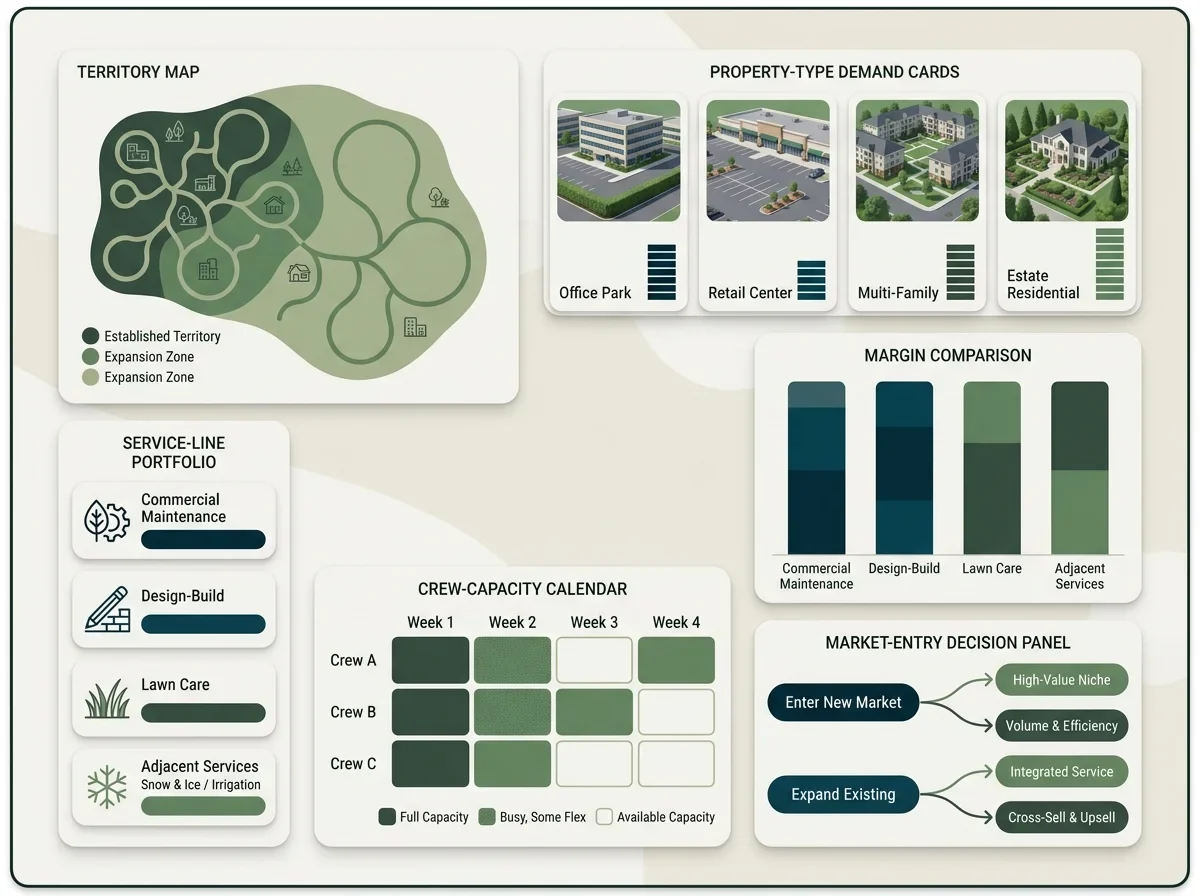
Growth and Market Strategy for Landscapers Facing the Next Big Decision
This category fits established operators deciding where to grow, what to stop funding, or whether the next service, territory, branch, or franchise move can carry its own weight.
Commercial Maintenance
Test route density, contract value, renewal risk, sales coverage, and branch capacity before entering another territory
See the fitLawn Care
Compare recurring revenue, technician licensing, treatment margins, route overlap, and seasonal demand before adding services
See the fitLandscaping Growth and Market Strategy Covers Eight Commercial Decisions
Growth and market strategy services for landscapers cover the decisions that come before another campaign, crew, truck, branch, service line, or franchise offer.
Business growth consulting
Where the next growth is.
View serviceGrowth strategy consulting
A plan with priorities.
View serviceBlue ocean strategy for landscaping
Stop competing on price.
View serviceService line expansion
Add profitable new services.
View serviceMarket research services
Evidence before you invest.
View serviceTerritory & demand analysis
Where demand really sits.
View serviceNew market entry
First ninety days mapped.
View serviceFranchise development marketing
Recruit qualified franchisees.
View serviceWhat Growth and Market Strategy for Landscaping Business Teams Includes
Managed growth and market strategy for landscaping companies turns a commercial question into a written decision, operating assumptions, responsible owners, and measures management can inspect.
We define the decision, deadline, available evidence, financial assumptions, operating constraints, and people affected. The engagement stays focused on a decision management can make, fund, assign, review, and measure with confidence.
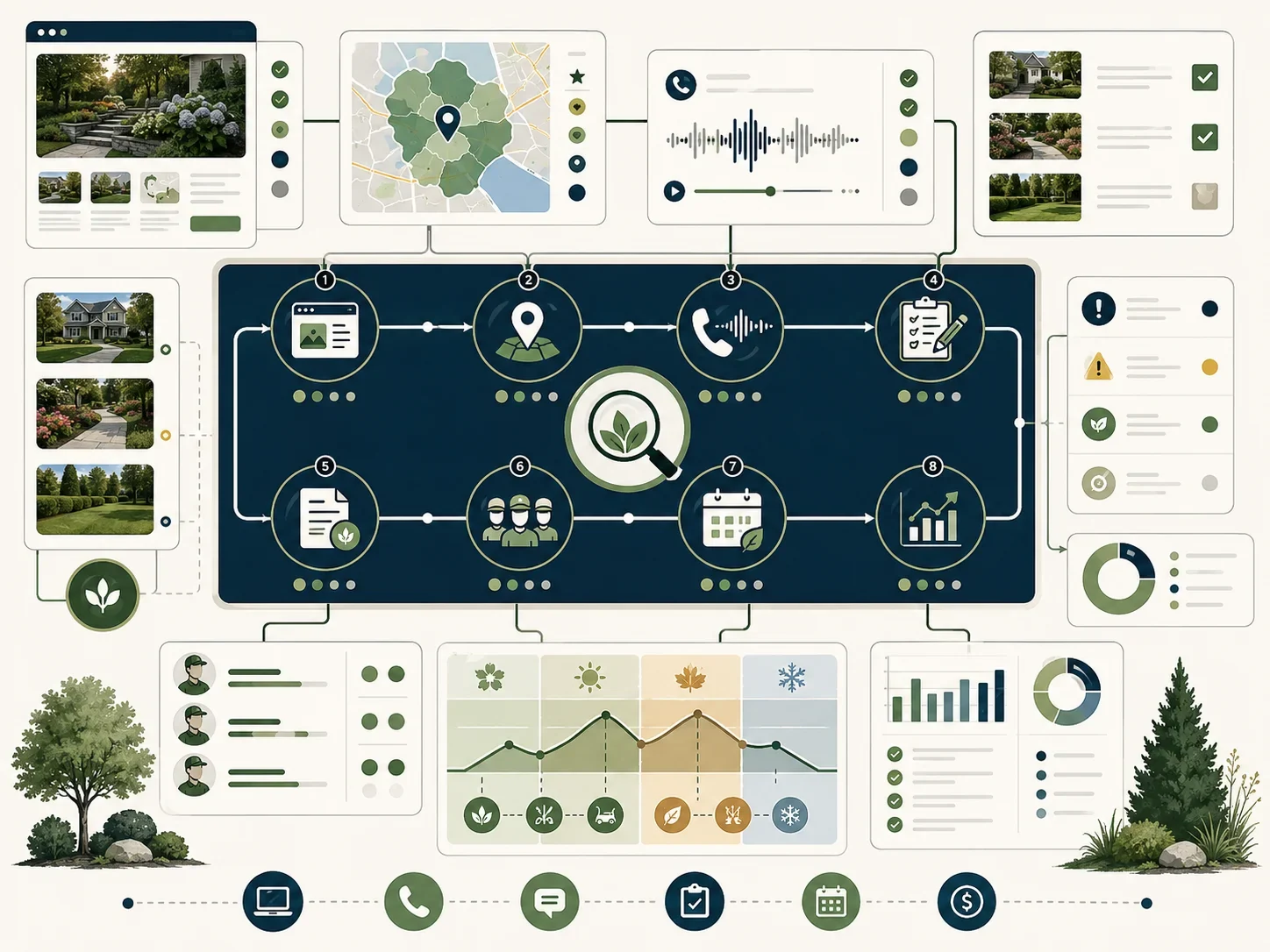
The written plan separates research, analysis, management review, decision, and execution support. Timing depends on usable financial records, branch data, customer information, market evidence, and access to the people who own the operation.
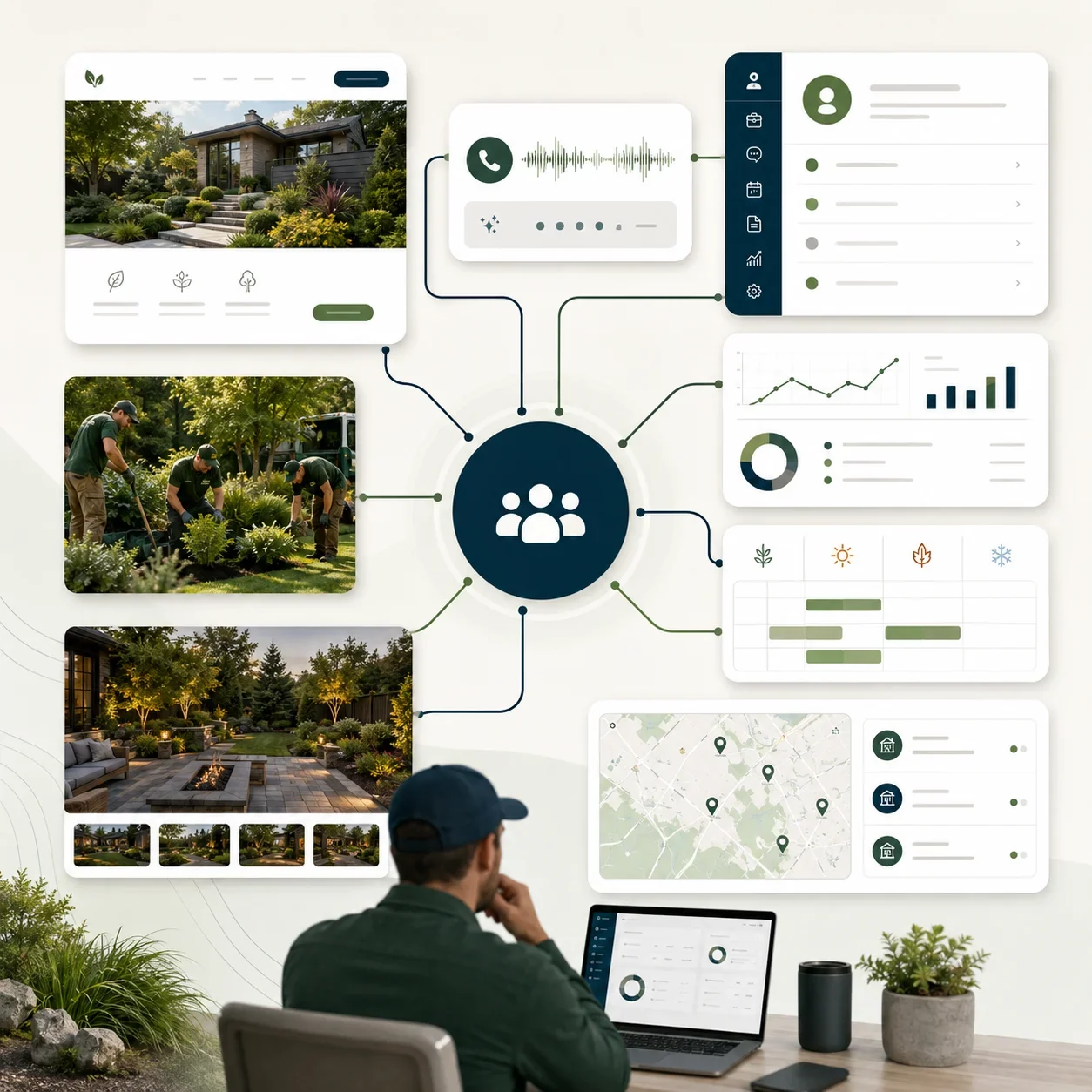
You provide service margins, crew capacity, close rate, renewal data, equipment limits, operating costs, management access, and the field-software reports available today. Missing evidence stays marked instead of being replaced with a confident guess.
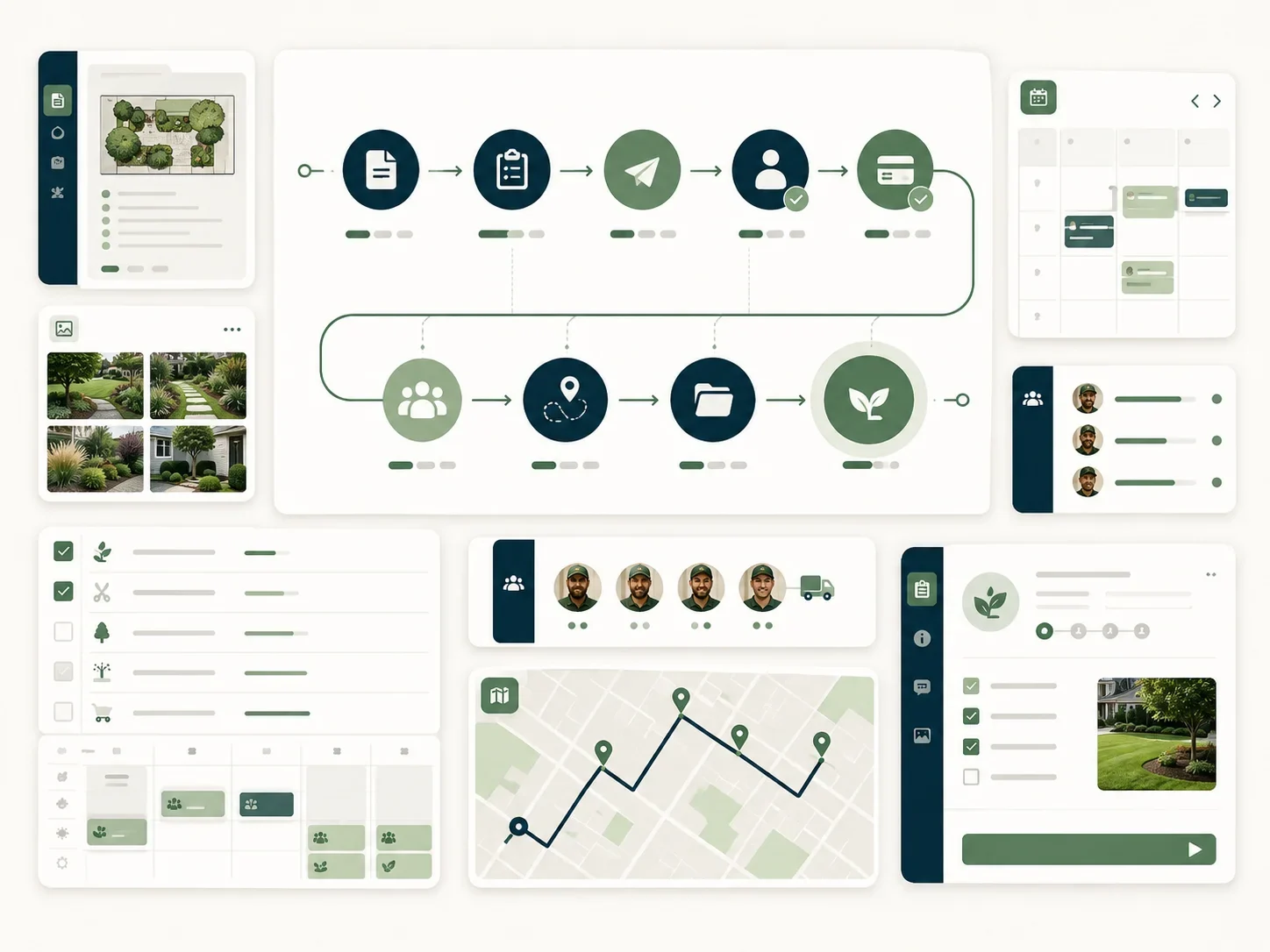
We provide the decision frame, research, option comparison, recommendation, assumptions, risks, owners, milestones, and review cadence. Execution support stays inside the written package scope, with accounts and operating control retained by your company.
How We Turn a Growth Question Into an Operating Decision
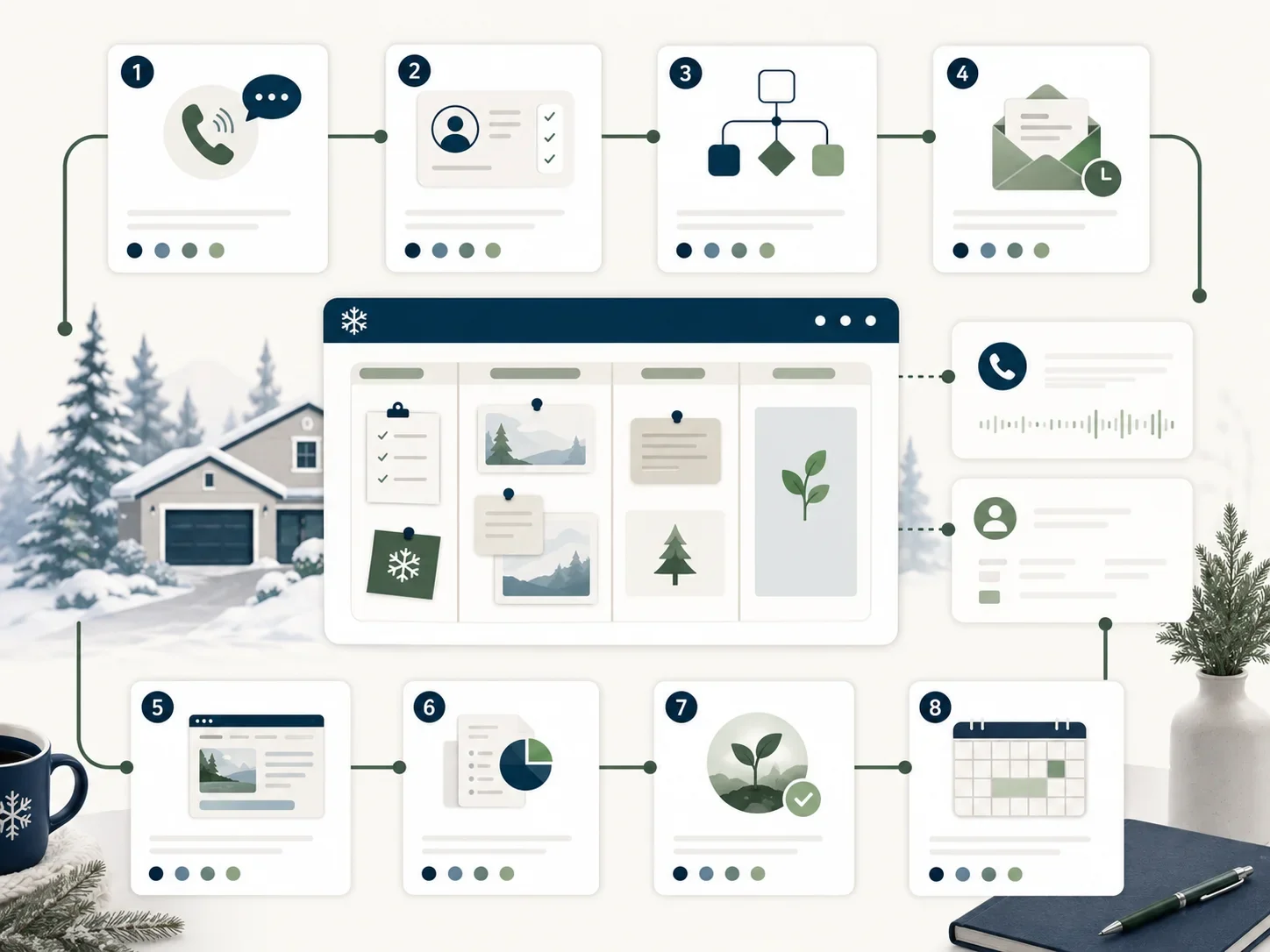
Outsourcing growth and market strategy for landscape contractors works when every recommendation names the evidence, financial assumption, owner, deadline, and operating measure before execution begins.

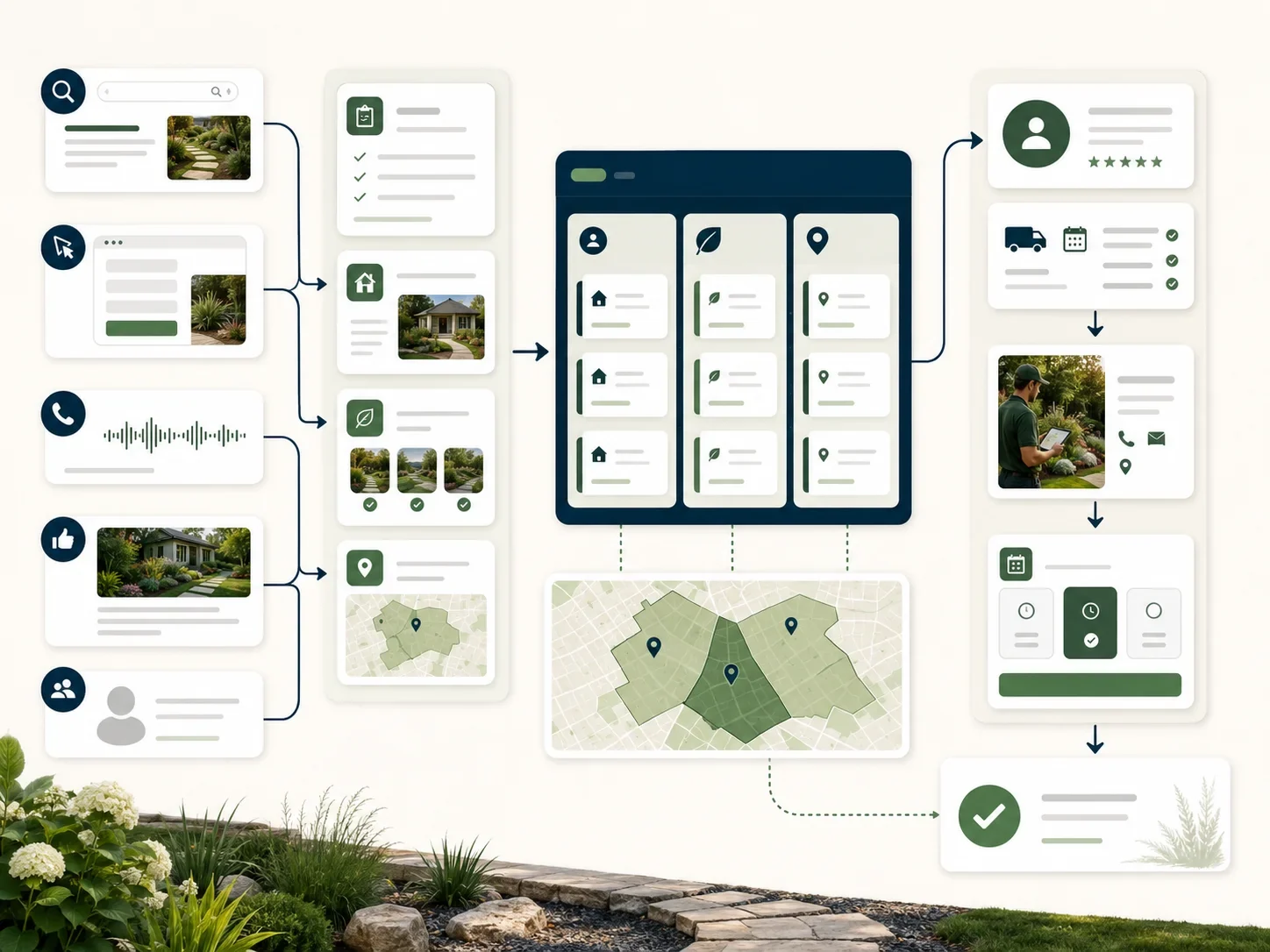
Define the decision, expose the costly assumption
We turn “where should we grow” into a decision with boundaries, timing, financial stakes, required evidence, and an owner. Vague ambition does not enter the active work.
- Decision and deadline are named
- Financial stakes stay visible
- Missing evidence is documented
Measure the market, test internal capacity
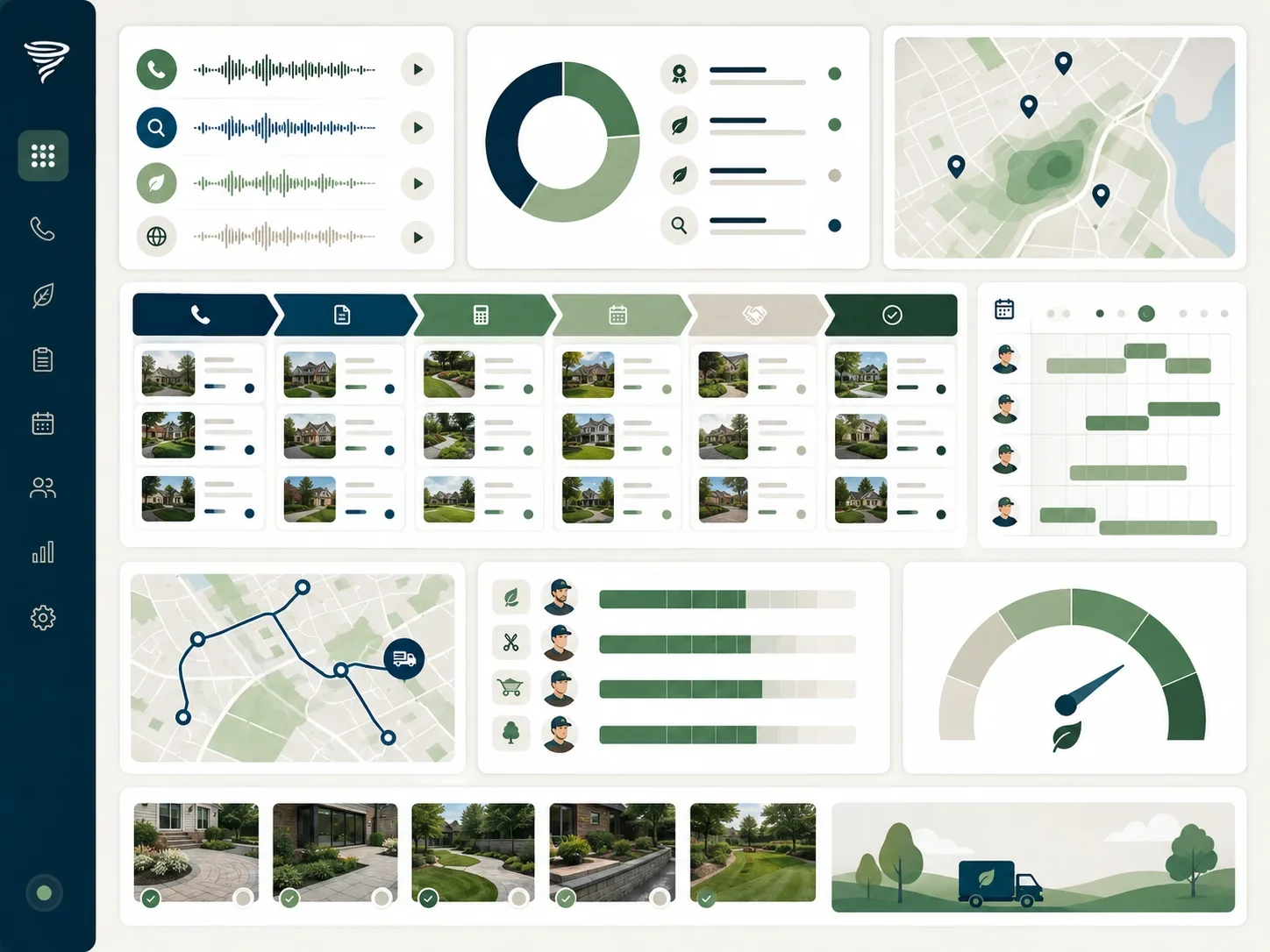
Research covers demand, buyers, competitors, pricing, territories, and seasonality. Internal review covers margins, crew hours, sales capacity, equipment, licensing, working capital, and management attention today.
- External demand meets internal capacity
- Margin assumptions are tested
- Licensing limits stay explicit

Compare the options, include doing nothing
Each option is scored against likely return, cash requirement, staffing, risk, timing, operating complexity, and the cost of delay. Keeping the current model remains a valid comparison.
- Options use common measures
- Risks receive named controls
- No-change stays on the table
Build the roadmap, assign the first ninety days
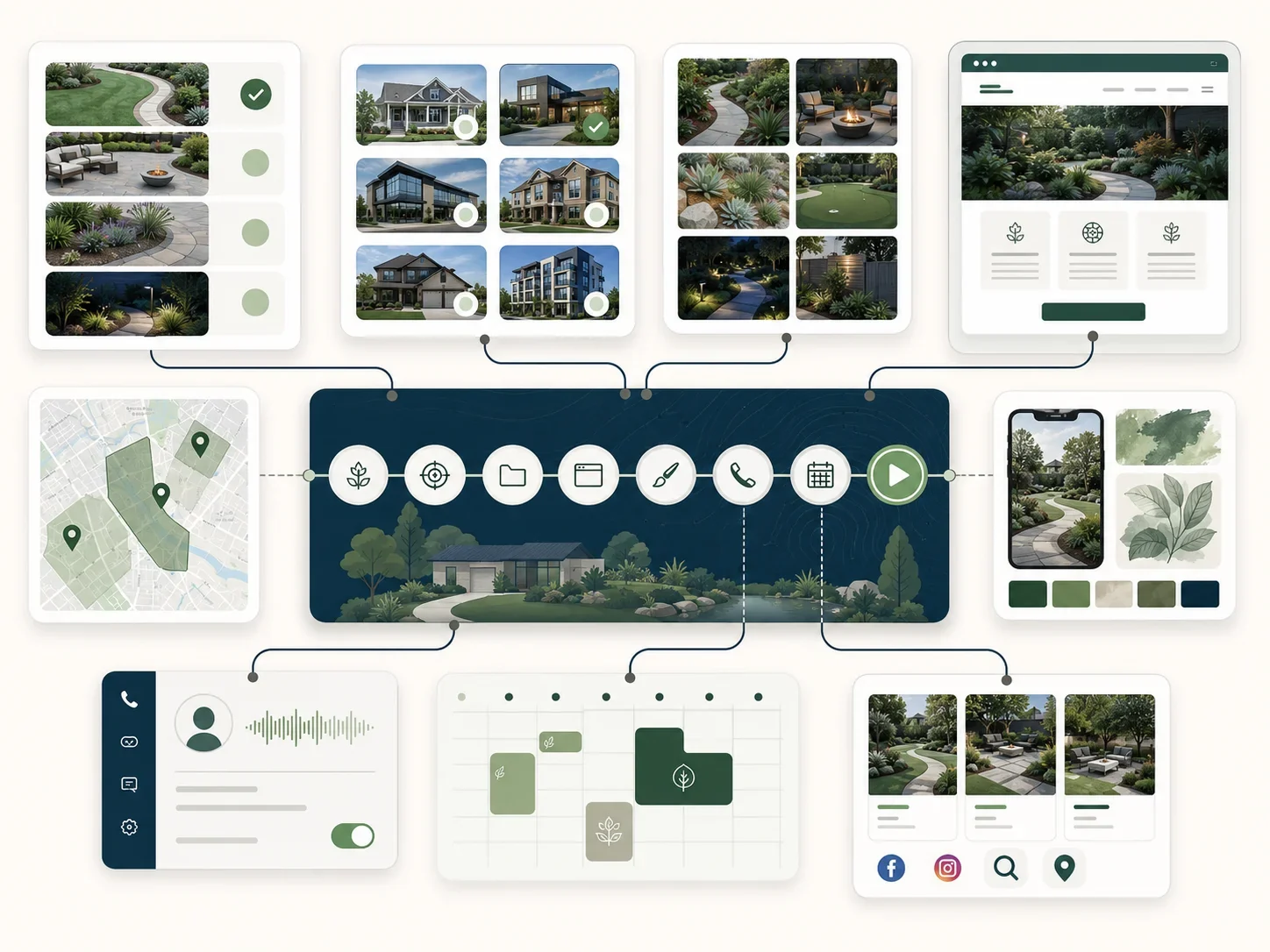
The selected direction becomes priorities, owners, dependencies, budgets, milestones, and measures. Marketing, hiring, systems, equipment, and branch work enter the roadmap only when clearly required.
- Owners are assigned early
- Dependencies stay in sequence
- First measures are agreed
Review the result, reset before the season changes
Monthly or quarterly reviews compare the decision with qualified demand, close rate, margin, route density, retention, capacity, and cash. The plan changes when operating evidence changes.
- Outcomes replace meeting volume
- Seasonal shifts are planned
- Next actions receive owners
Growth Strategy Is One Part of It. We Run the Whole Thing.
Strategy sits inside one team running marketing, AI, website, technology, and reporting. The audit sets the active workstreams, responsibilities, and package before you sign.
One market, one service line, and focused execution for dependable growth.
See what's includedMulti-service growth with broader campaigns, website work, and stronger follow-up.
See what's includedMulti-branch execution with AI, automation, deeper reporting, and faster cadence.
See what's includedFranchise systems, complex integrations, and governance across markets and teams.
See what's includedFree Growth & Market Strategy Audit
Proof Without Invented Strategy Results
We do not have two approved testimonials for this category yet. Here is exactly how we run the work, and here is what we measure.
“We stopped guessing which work paid. The growth & Market Strategy for landscaping companies programme gave us one baseline, and the monthly review finally matched what the crews actually booked.”
“Everything sits in accounts we own, and every change is written down before it ships. That alone was worth the switch.”
more qualified enquiries in the first two quarters, measured against the pre-engagement baseline.
Every quote above is published with the client’s written approval, full name, role and company on file.
Growth and Market Strategy for Lawn Care Companies: Buying Questions
How does growth and market strategy help a landscaping company grow?
Growth and market strategy helps by directing money and management attention toward the market, service, territory, or operating constraint with the strongest commercial case. It can improve lead quality, close rate, margin, route density, retention, and capacity use. Start with Business Growth Consulting when the company is busy but profit is not moving.
What does growth and market strategy include for landscaping businesses?
It includes decision framing, market research, competitor review, territory analysis, service-line economics, capacity checks, option comparison, risk controls, a written roadmap, and execution reviews. The scope can also cover new markets, positioning, or franchise development. Review Growth Strategy Consulting for the planning layer.
How much does growth and market strategy cost for a landscaping company?
Growth and market strategy pricing for landscaping businesses starts inside Foundation at $2,000 per month, Growth at $3,000, Scale at $5,000, or a custom Enterprise fee. Separate research or activation work may be quoted where required. Ad spend is excluded. Compare growth package pricing before requesting the free growth audit.
When should a landscaping company invest in growth and market strategy?
Invest before adding a branch, entering a territory, buying equipment for a new service, increasing the marketing budget, or recruiting franchisees. It is also useful when revenue rises but margin, close rate, retention, or crew capacity does not. Begin with the free growth audit to identify the decision that needs evidence.
Can growth and market strategy support seasonal landscaping demand?
Yes. The strategy can build demand before April, tighten qualification when June crews are full, protect renewals in September, and use the November cliff for research, systems, or next-spring preparation. Licensing, route density, snow exposure, and field-software data change which option deserves funding. Review Territory and Demand Analysis.
How is performance measured for growth and market strategy?
Performance is measured through completion of the agreed decision and the operating numbers it is meant to change. Measures can include qualified leads, booked estimates, close rate, renewal rate, service margin, route density, crew capacity, market-entry milestones, and forecast accuracy. Meeting count and document length are not outcomes.
Choose the Market, Then Commit the Crews
Growth decisions touch every category below. Start where the evidence is thinnest.