
Business Consulting For Landscaping Companies: One Connected Growth System
Business consulting for landscaping companies works when it identifies the constraint limiting profit, then turns the decision into owned work with dates, measures, and one accountable team.
The short answerThe best use of consulting is to start with the constraint costing you money, then choose the categories that remove it. Consulting improves leads, efficiency, and revenue by attracting serviceable jobs, converting more of the demand already paid for, and stopping spend when routes or crews cannot take more work.
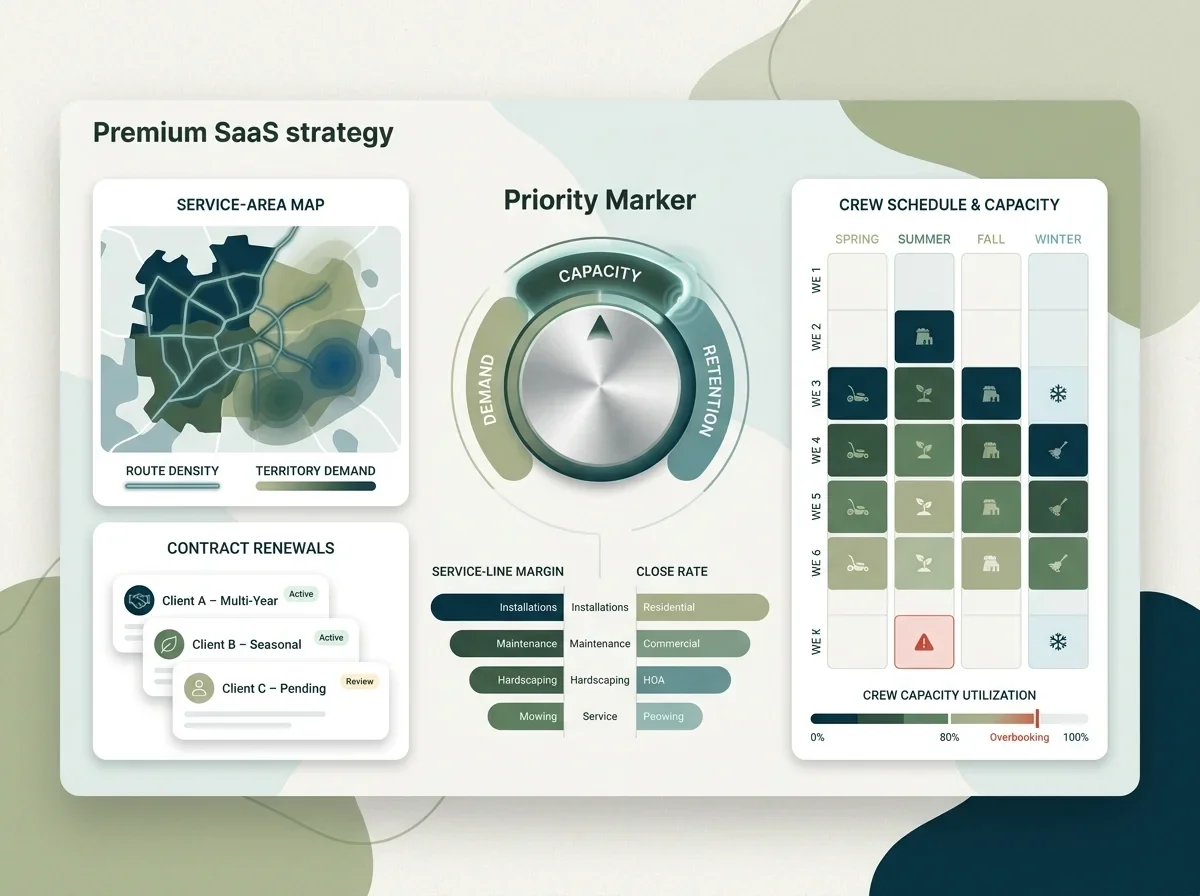
Follow the Decision From Constraint to Accountable Work
Use the sticky navigation to move through outcomes, the three consulting categories, connected growth pillars, delivery process, operating platforms, packages, proof, and buying questions.
Landscaping Business Consulting Should Improve Three Operating Decisions
Advice is not the outcome. The work should sharpen where you grow, how demand becomes profitable work, and which systems deserve time and capital.
Better Growth Choices
Choose markets, service lines, territories, and offers using margin, demand, crew capacity, and competitive evidence.
- Profitable services receive priority
- Expansion assumptions get tested
- Territory choices use evidence
Stronger Sales Control
Improve qualification, estimate follow-up, close rate, renewal ownership, and the handoff between marketing and operations.
- Qualified opportunities stay visible
- Estimates receive clear follow-up
- Renewals have named owners
Smarter System Spend
Build or replace technology only when the operating case, adoption plan, and measurable return are clear.
- Current stack gets mapped
- Duplicate work is ranked
- Technology follows the workflow
Growth Consulting for Landscapers Covers Three Decision Layers
The pillar contains three categories and 27 services. Each category owns a different decision layer, so market expansion, sales performance, and technology planning do not collapse into one vague strategy document.
Eight services cover business growth, market selection, territory demand, service-line expansion, new-market entry, and franchise development. The work tests the commercial case before crews, equipment, advertising, or management time are committed to another service or territory.
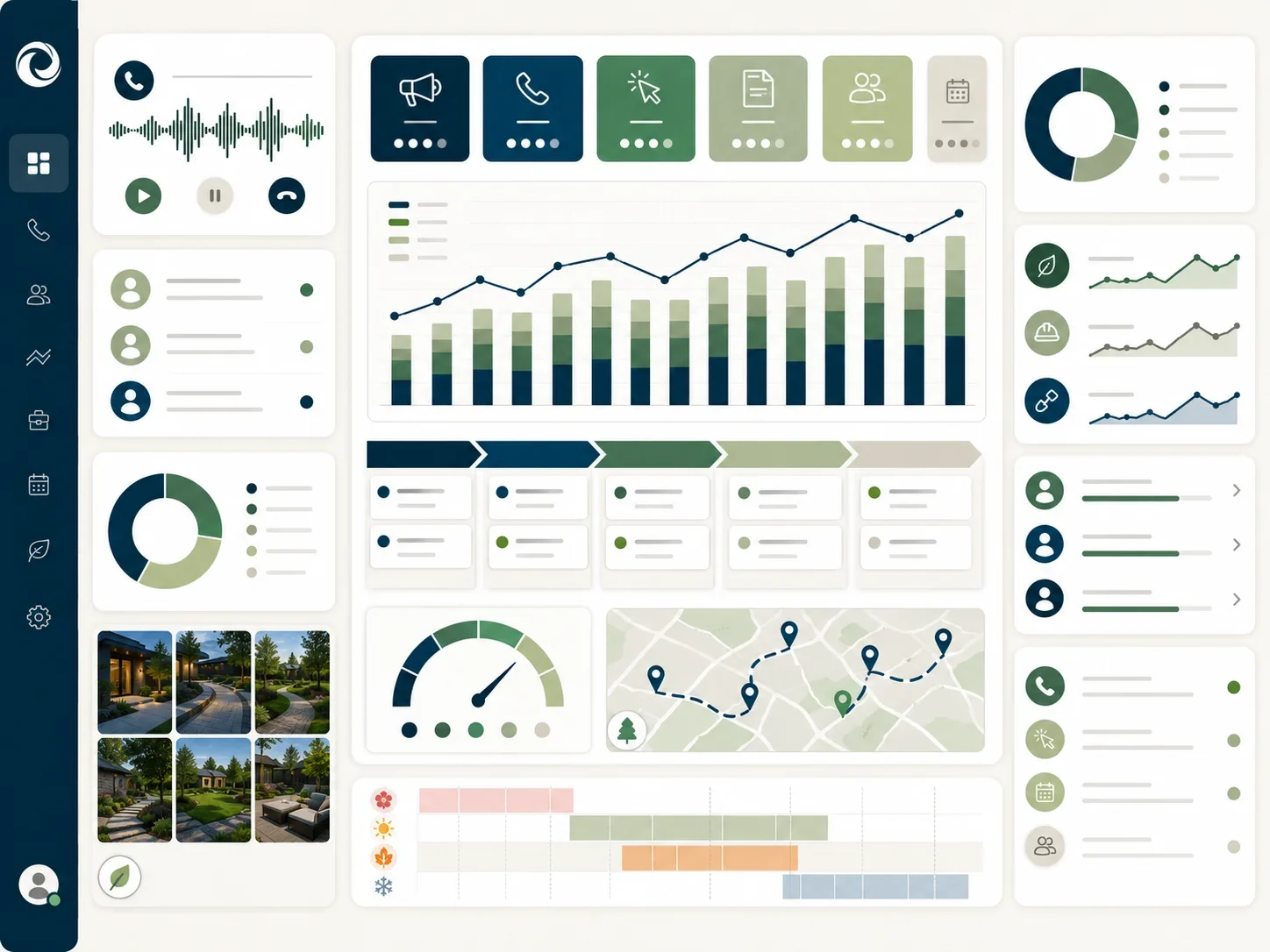
Fourteen services cover marketing strategy, channel planning, budgets, audits, acquisition, sales process, close rate, retention, training, and fractional leadership. The work connects demand to estimating discipline, contract renewal, and the operating numbers management can act on.
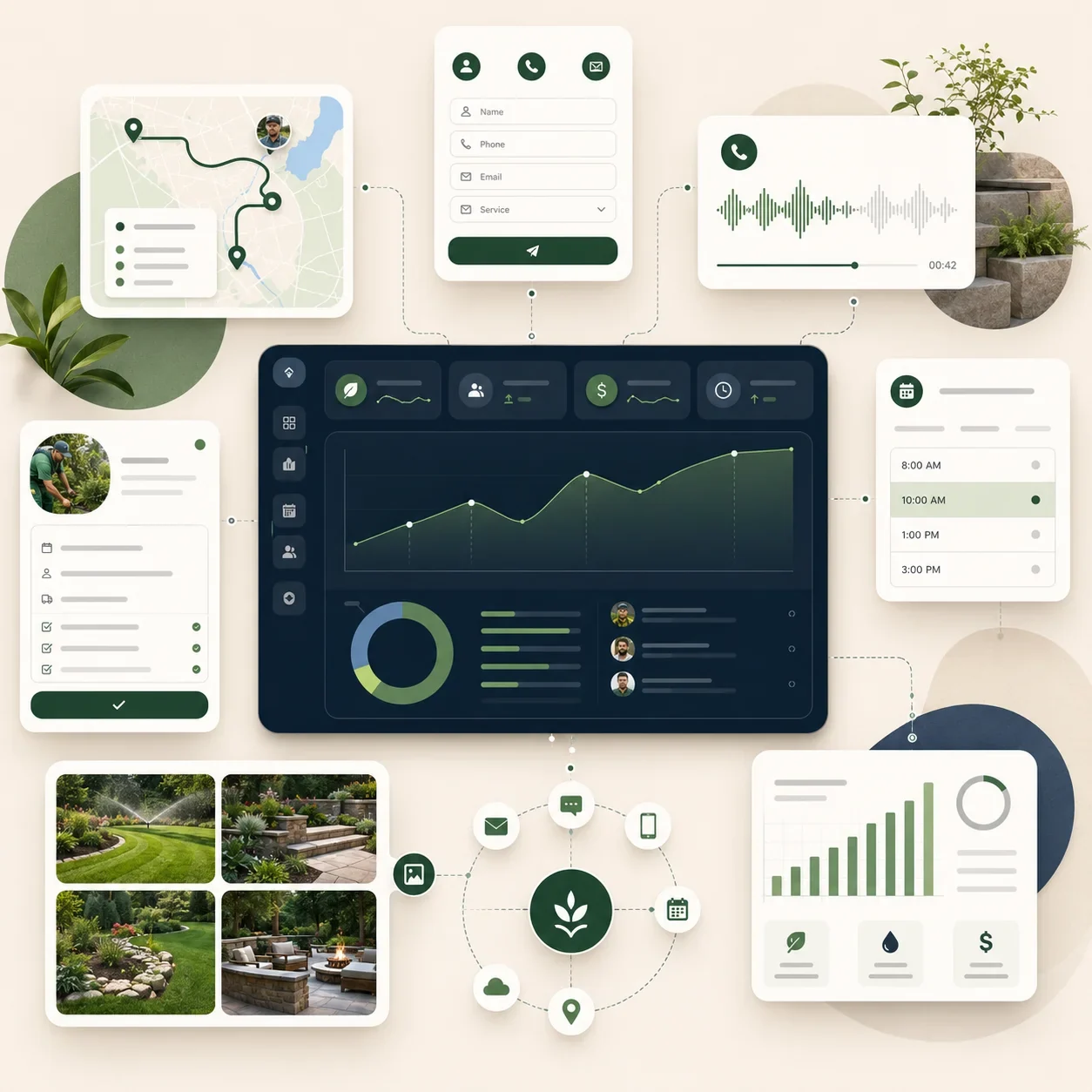
Five services cover technology roadmaps, systems architecture, AI strategy, and fractional technology leadership. The plan defines what the business needs, what current platforms already handle, and which build should wait until process ownership and data quality are ready.
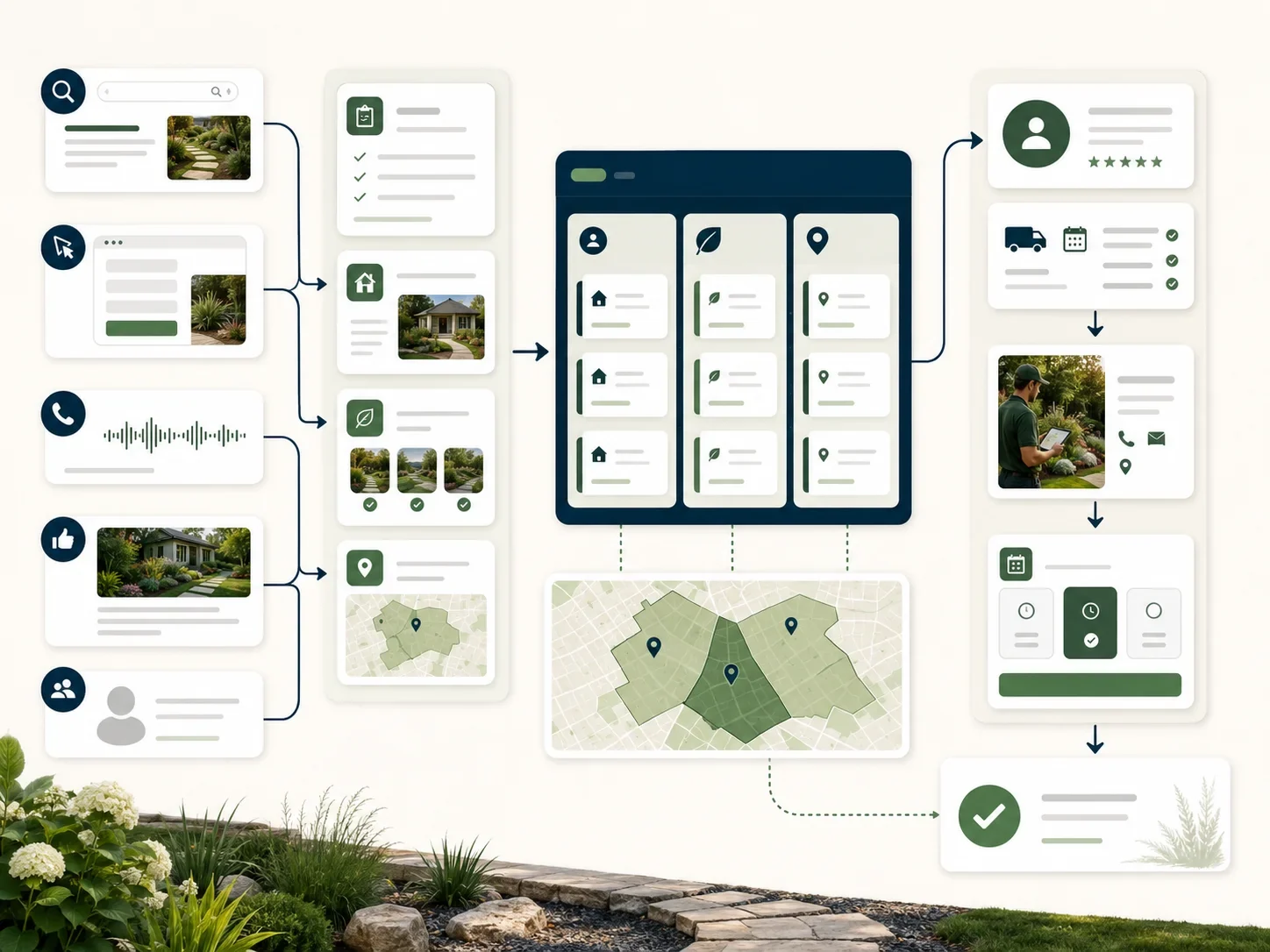
Landscaping Marketing Consulting Cannot Work Apart From Operations
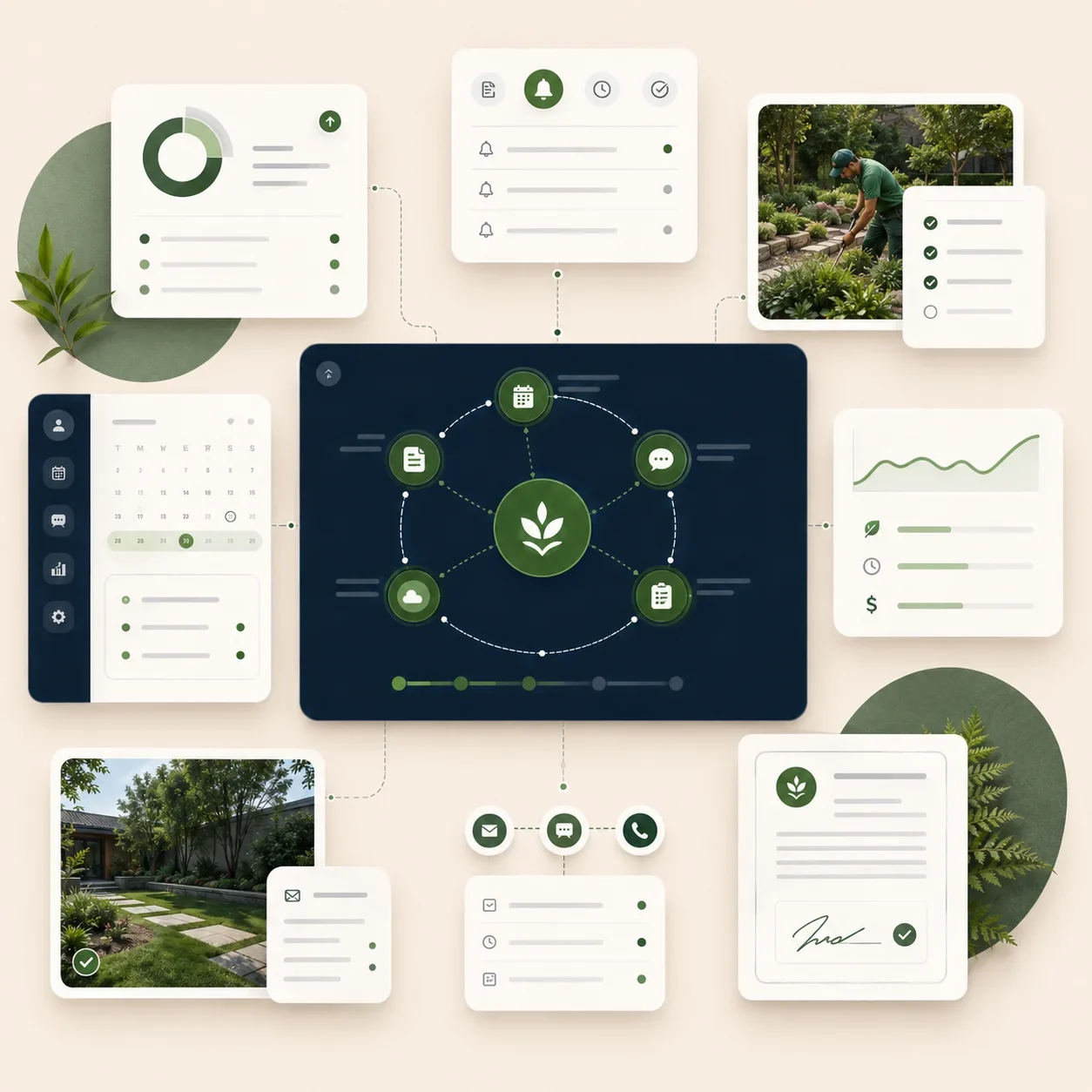
Consulting decides where the company should grow and what should change first. Marketing creates qualified demand. AI answers calls and moves follow-up. Technology connects the website, CRM, field software, and reporting. One plan keeps each pillar working against the same commercial constraint. Profit is rarely limited by lead volume alone. More often, the constraint is crew capacity, close rate, contract retention, service margin, or four slow winter months. The green-industry calendar changes the answer. April may justify more demand for a profitable service line. June may require fewer leads and tighter qualification because crews and dispatch are full. September shifts attention to renewals and fall work. By November, the better investment may be an AI receptionist, reporting cleanup, or next-spring planning rather than another mowing campaign.
That is why one channel rarely fixes the whole revenue problem. A June campaign can make the phone ring while dispatch is already overloaded. In November, buying more mowing leads makes less sense than building renewal, call-handling, and reporting systems for spring.
Marketing
Builds visibility and campaigns around the services, areas, and timing the plan has prioritized.
AI and Automation
Answers, qualifies, routes, follows up, and flags exceptions before valuable enquiries disappear between teams.
Technology
Connects website, CRM, field software, finance data, and reporting so decisions can be measured.
Consulting
Ranks markets, services, margins, capacity, risks, and the operating changes required before execution begins.
How Technology Consulting for Landscapers Becomes Executable Work
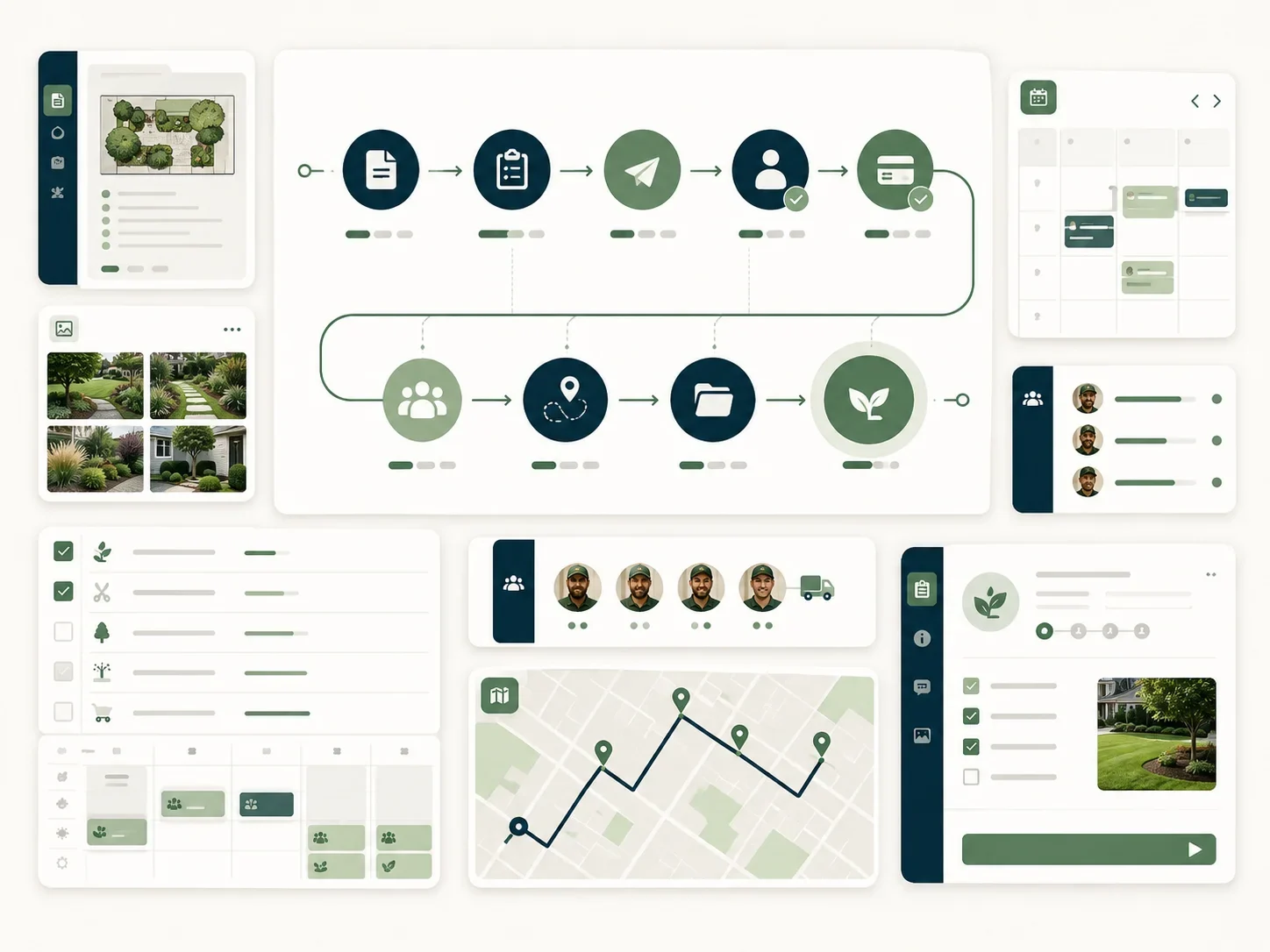
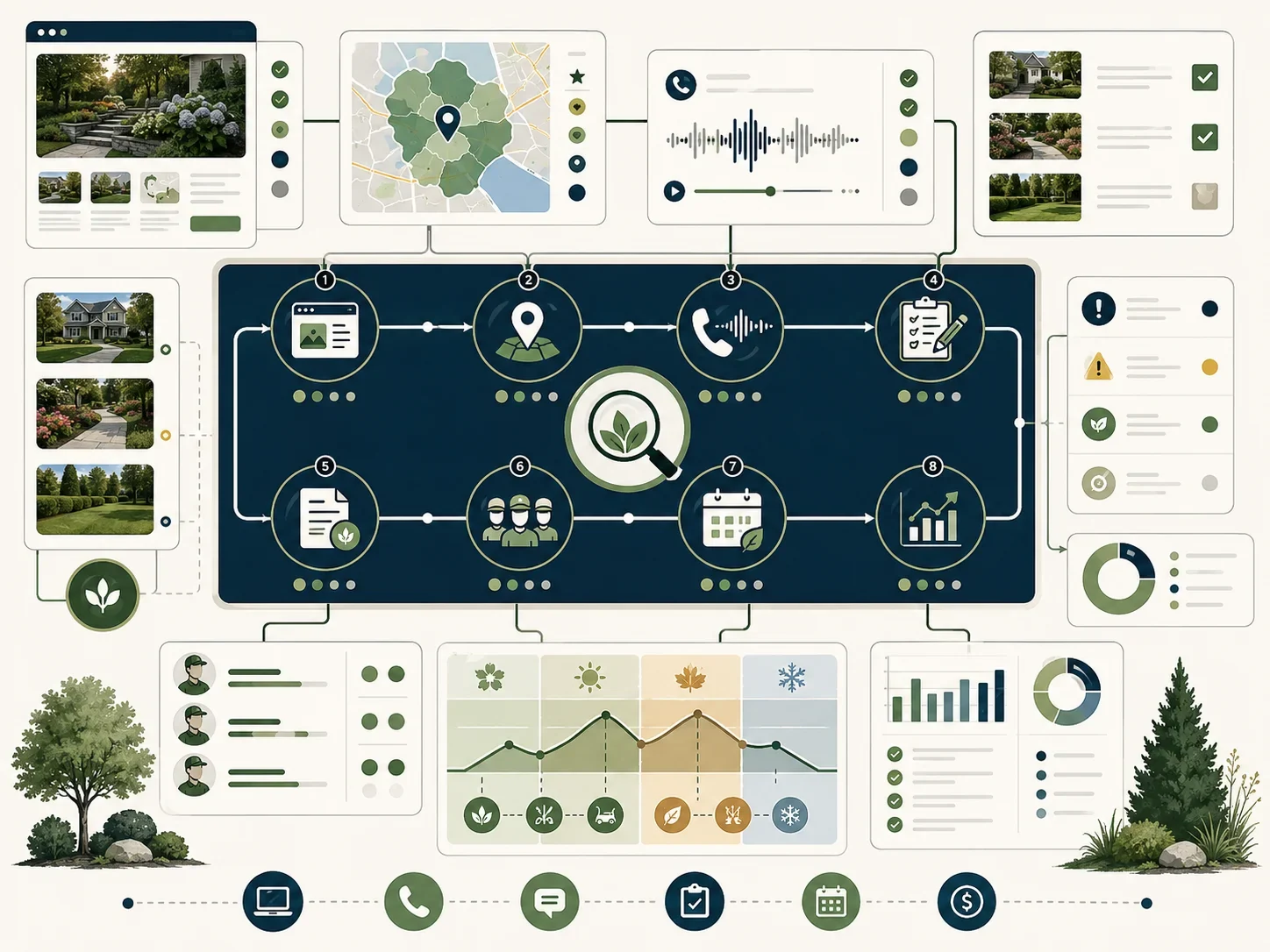
Outsourcing consulting for landscape contractors only works when the recommendation names the owner, deadline, required data, financial assumption, and measure before execution begins.
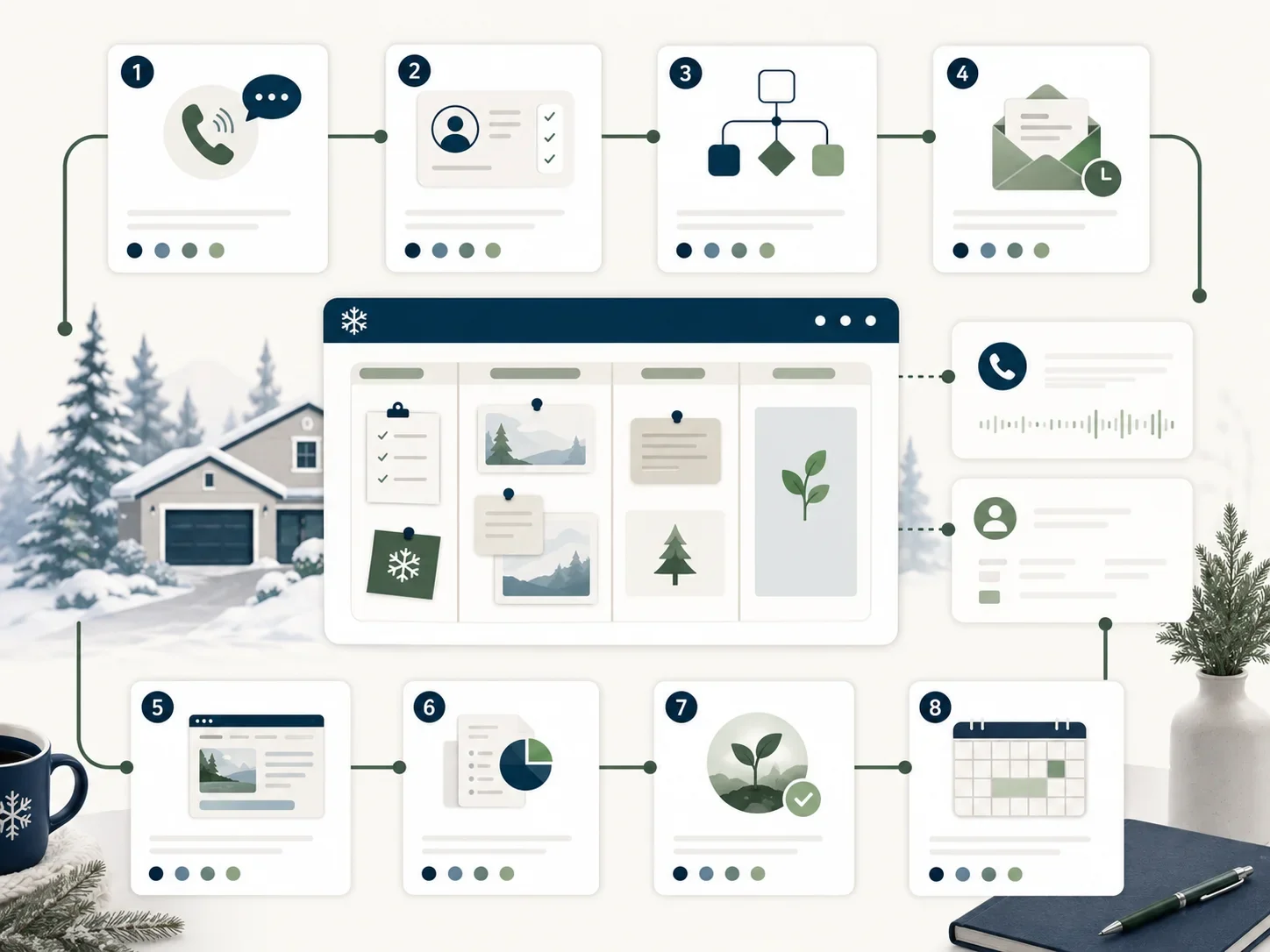
Diagnose the constraint, before recommending the fix
We review service margins, crew hours, close rate, renewals, pipeline, route density, field software, reporting, and seasonality. The diagnosis separates a demand problem from a sales, capacity, retention, or operating-system problem.
- Evidence gaps stay visible
- Constraints are ranked first
- Baseline measures are documented
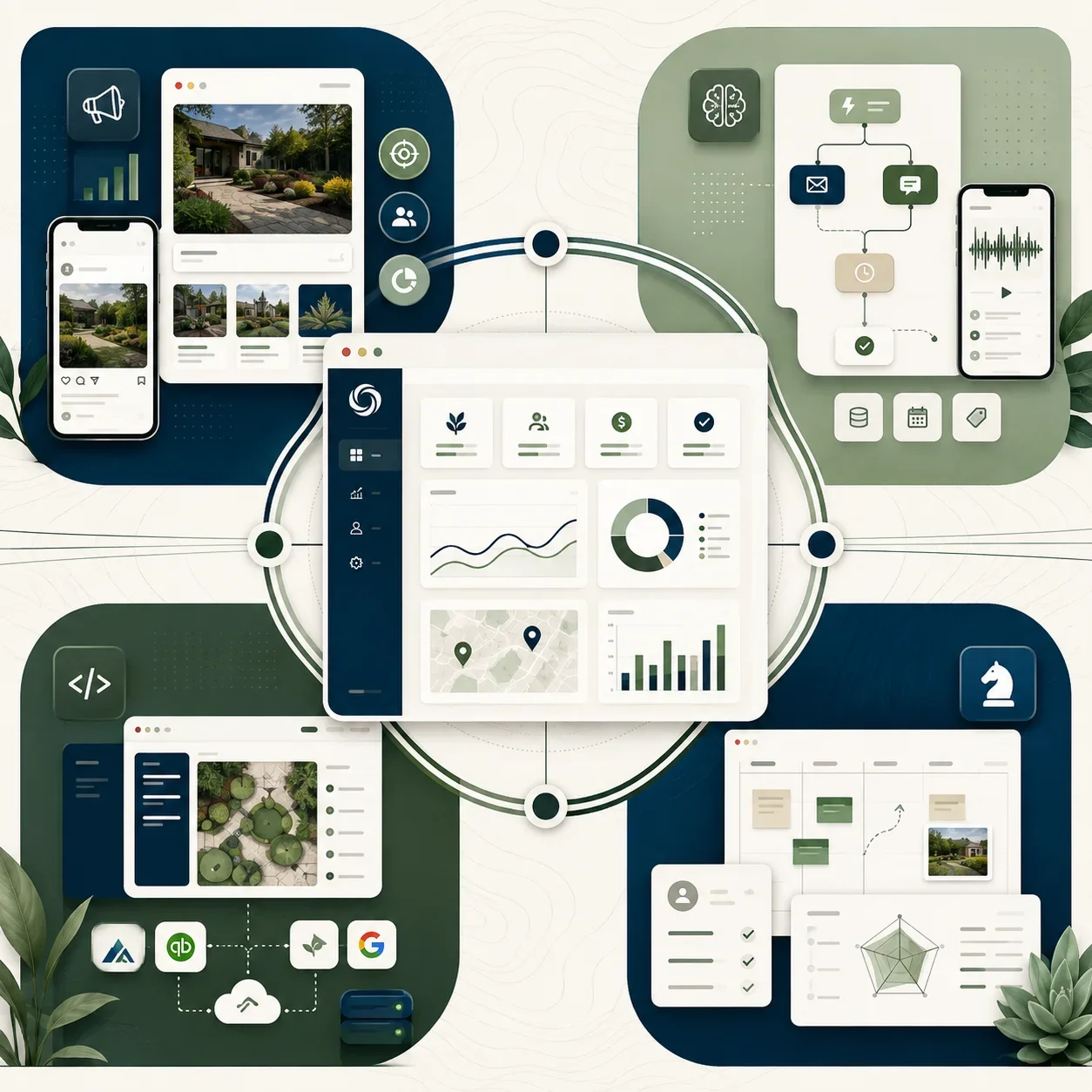
Test the options, against commercial reality
Each option is checked against demand, labour, equipment, management time, cash flow, licensing, and the field systems already in use. Weak assumptions are removed before they become campaigns, hires, or software projects.
- Costs and owners are named
- Capacity assumptions get tested
- Risks receive clear controls
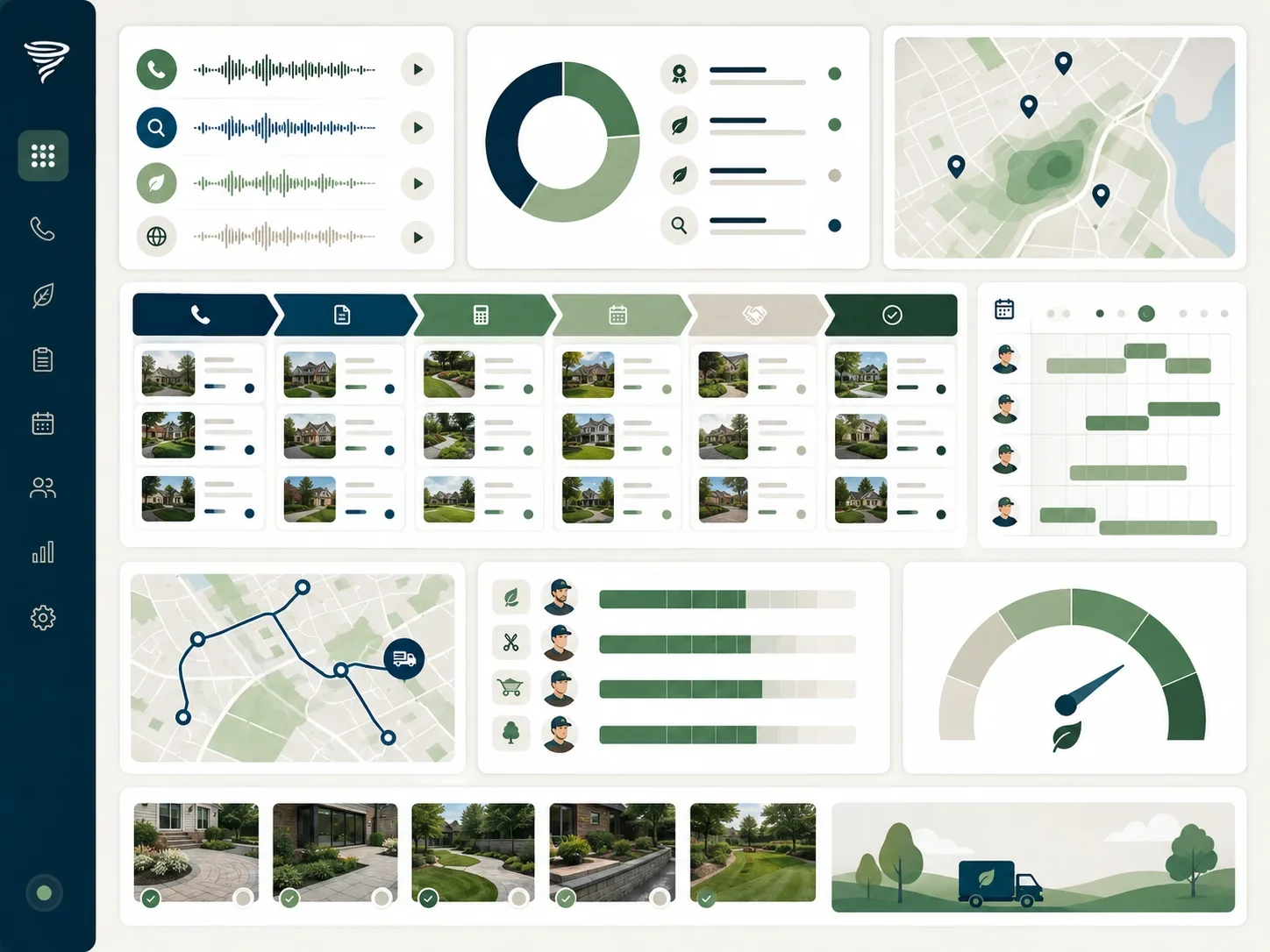
Build the roadmap, with owners and dates
The roadmap turns the selected direction into quarterly priorities, responsibilities, dependencies, budgets, and operating measures. Work that cannot be owned or measured does not enter the active plan.
- Quarterly priorities stay limited
- Dependencies are mapped early
- Measures match the decision
Support execution, without replacing management
We work with the people responsible for marketing, sales, operations, finance, or technology, review evidence, remove blockers, and keep decisions aligned. Your team retains account, data, and operating ownership.
- Named contact leads cadence
- Client accounts remain owned
- Decisions stay documented clearly
Review outcomes, then reset the priority
Monthly and quarterly reviews compare the plan with qualified demand, booked estimates, close rate, retention, margin, capacity, adoption, and cash requirements. The next priority changes when the operating evidence changes.
- Outcomes replace activity counts
- Seasonal changes are planned
- Next actions receive owners
The Operating Platforms Behind Consulting Decisions
These marks show systems we may review when the scope requires them. They do not imply certification, partnership, or paid endorsement. Managed consulting for landscaping companies uses the records already produced by marketing, sales, field operations, and finance before asking the business to adopt another platform.
Consulting Is One Part of It. We Run the Whole Thing.
Consulting services for landscapers sit inside one team running marketing, AI, website, technology, and reporting. The audit sets the active workstreams, responsibilities, and package before you sign.
One market, one service line, and focused execution for dependable growth.
See what's includedMulti-service growth with broader campaigns, website work, and stronger follow-up.
See what's includedMulti-branch execution with AI, automation, deeper reporting, and faster cadence.
See what's includedFranchise systems, complex integrations, and governance across markets and teams.
See what's includedProof Before Another Consulting Engagement
We do not have three approved consulting testimonials to publish. Here is the named proof available, the decision process we show, and the measures we use instead.
“We stopped guessing which work paid. The consulting pillar programme gave us one baseline, and the monthly review finally matched what the crews actually booked.”
“Everything sits in accounts we own, and every change is written down before it ships. That alone was worth the switch.”
more qualified enquiries in the first two quarters, measured against the pre-engagement baseline.
Every quote above is published with the client’s written approval, full name, role and company on file.