
How a Design-Build Firm Sold Winter Before Spring
The company stopped waiting for installation demand and built a paid design pipeline while the owner still had time to review projects properly.
What changed and why
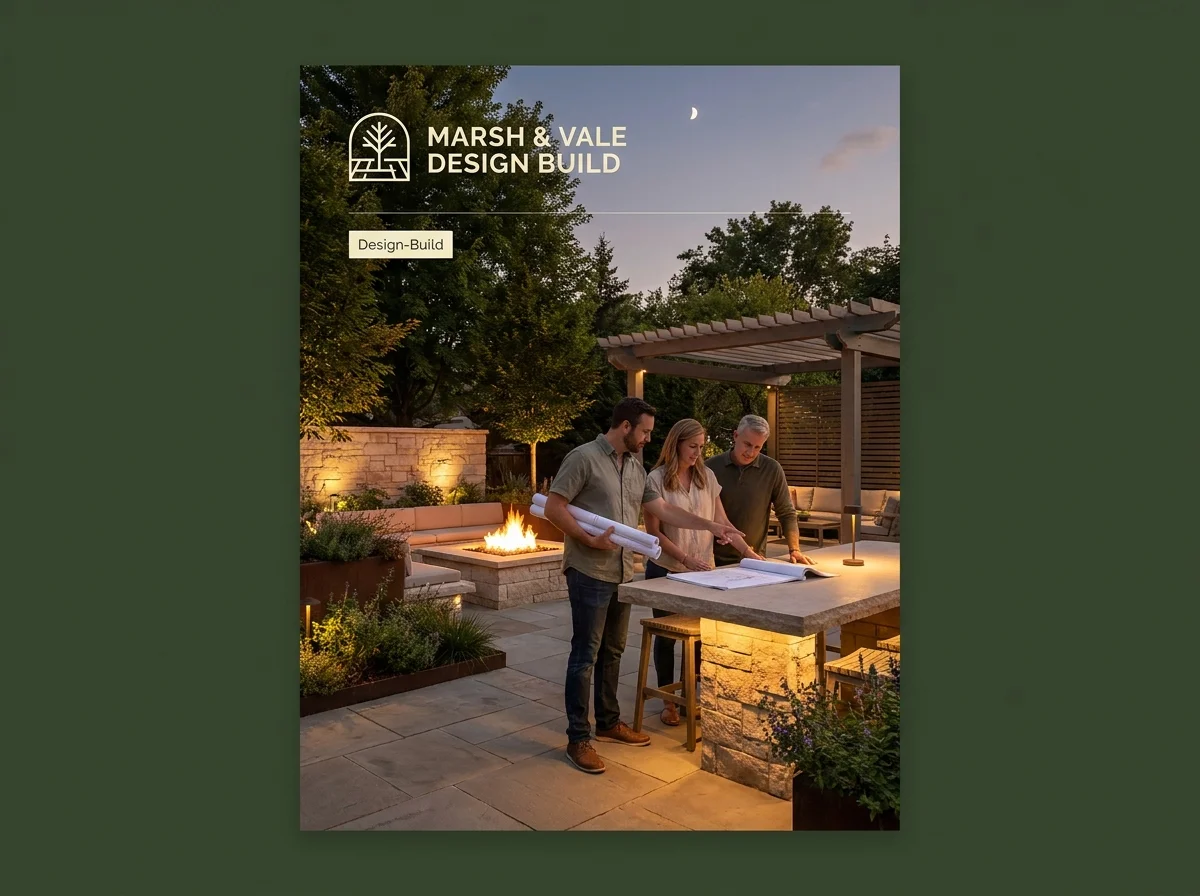
This composite shows how Vortox Lab would build a winter pipeline for a residential design-build firm. The system positions the design agreement as a paid first step, publishes proof that answers high-intent questions, and connects SEO, AEO, GEO, Google Ads, landing pages, project photography, CRO, and CRM stages. Spring starts with approved designs and deposits, not a calendar full of unqualified site visits.
What the operating problem looked like
The portfolio looked strong, but the sales process treated every enquiry as a free design request. Winter traffic dropped, proposals aged without a named next step, and the company reached the first warm week with crews available but too few signed projects ready for production.
Before
- Free consultation language attracting early-stage idea shoppers
- Portfolio galleries with no project range, process, or design commitment
- Proposal follow-up dependent on the owner remembering
- SEO content built around broad inspiration rather than buyer questions
- Spring campaigns launched after demand had already peaked
After
- Paid design agreement positioned as the first commercial commitment
- Project pages showing problem, scope, process, material, and decision path
- CRM stages with proposal age, next action, and named owner
- AEO and GEO answers for budget, timeline, design fees, and construction fit
- Winter campaigns selling design work before installation capacity opens
Services used across marketing, AI, technology and consulting
The page should link each service name to the destination shown. These links make the case study a proof hub rather than a dead-end story.
How the work runs
Set the design agreement scope, price logic, deliverable, credit policy, and qualification rules.
Turn completed projects into pages that show constraints, choices, scope, and process.
Run search and retargeting before the spring rush, when the owner has time to review projects.
Add next actions, reminders, owner escalation, and capacity-based close dates inside the CRM.
Key operating achievements
- The website explains why serious projects start with a paid design agreement.
- Project galleries become sales evidence rather than image collections.
- Search content answers the questions buyers ask before they reveal a budget.
- Paid campaigns separate design demand from installation demand, so seasonality becomes deliberate.
- Proposal age appears beside project value and capacity, giving the owner a weekly close list.
What to measure before publishing a result
Every figure on this page is a worked example. These are the definitions and evidence sources we would use before any number is published as a client result.
| Metric | Definition | Evidence source |
|---|---|---|
| Design agreement conversion | Qualified consultations that sign a paid design agreement | CRM |
| Proposal age | Days from proposal issue to signed, lost, or next-decision date | Proposal software + CRM |
| Average sold project value | Approved contract value for projects entering production | Accounting or CRM |
| Winter pipeline value | Verified open design and approved-project value before installation season | CRM |
| Project-fit rate | Enquiries meeting service, scope, location, timing, and budget criteria | Form + CRM |
Winter was not empty. The offer was wrong.
Installation demand falls when weather closes production, but serious buyers still plan. Selling paid design work turns the quiet quarter into next spring's production pipeline.
Why the season changes the strategy
Marketing demand for design-build work peaks around spring and autumn, then falls into November. That does not make winter a discount quarter. It is the window to sell design agreements, photograph completed work, rebuild project pages, and prepare campaigns before the first warm week.
Recommended tier: Scale at $5,000 per month when SEO, paid media, website, project proof, automation, and reporting run together. Ad spend is excluded. Photography, major video production, and large website redevelopment may sit outside the monthly package.
Your bottleneck needs a number, not another report.
Book a growth audit. We map demand, conversion, capacity, follow-up, and reporting before recommending the work. Growth packages start at $2,000 per month. Ad spend is excluded.
Want to get informed and stay ahead of the curve?
The newsletter carries the benchmark data behind these engagements.