
How a Tree Care Operator Qualified Work Before Dispatch
The company separated urgent risk, routine pruning, removal, and plant health care before an arborist or estimator left the yard.
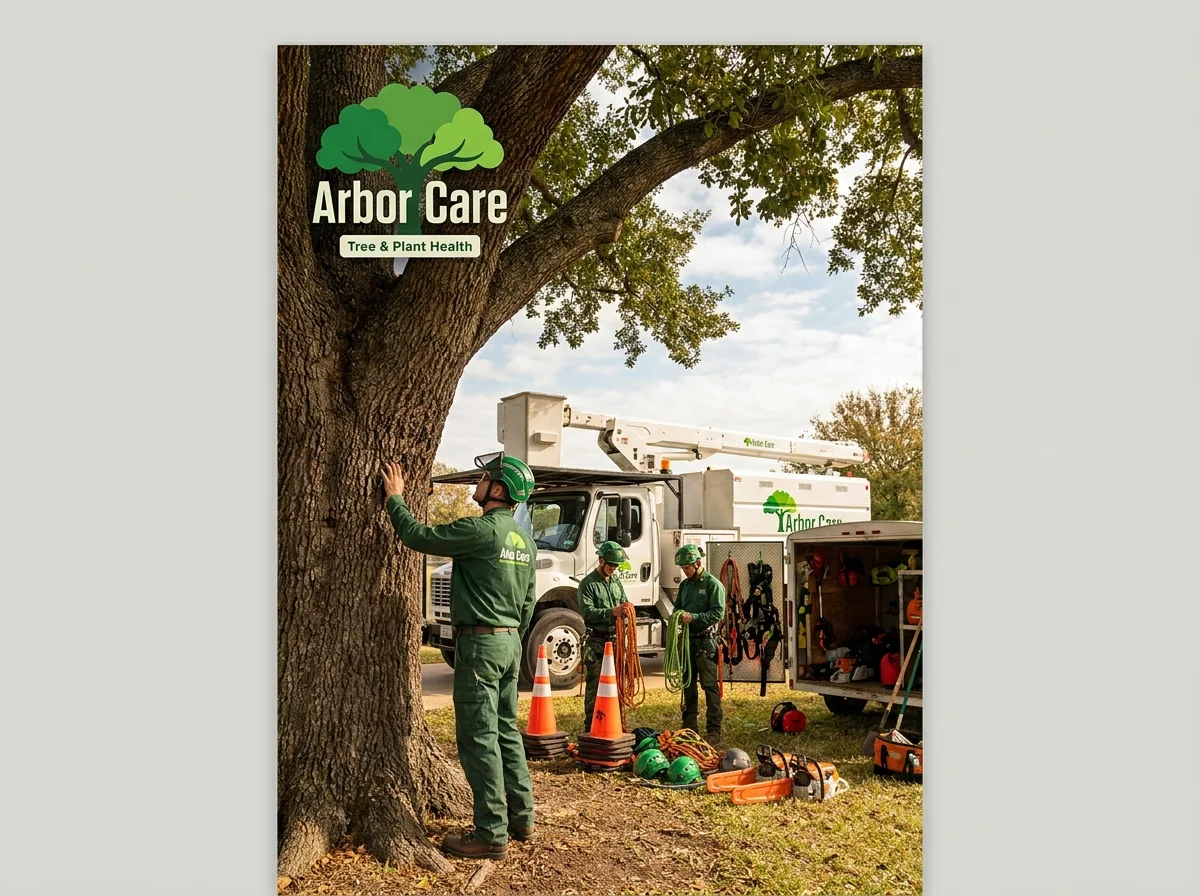
What changed and why
This composite shows how Vortox Lab would connect search, paid media, website qualification, AI intake, CRM stages, plant health care content, and reporting for a tree care company. The system respects licensing and safety limits. It does not diagnose from a form or promise work before inspection. It collects enough information to route hazard concerns, pruning, removal, stump grinding, and recurring plant health care to the right process.
What the operating problem looked like
The company generated calls, but many were vague, outside the service area, or unsuitable for the crew and equipment available. Estimators drove to jobs that never fit. Meanwhile, recurring plant health care services were buried behind removal and pruning pages, so the company depended on one-time work and storm spikes.
Before
- Every tree enquiry entering the same form and phone script
- Hazard language mixed with routine quote requests
- No structured record of access, property type, service need, or timing
- Plant health care hidden behind one-time pruning and removal demand
- Marketing measured by calls without sold-service or crew-fit data
After
- Intake separates urgent risk, inspection, pruning, removal, stump, and PHC
- Approved safety language routes immediate hazards without remote diagnosis
- Access, service area, property, timing, and equipment fit captured first
- PHC pages and renewal workflows support recurring service demand
- Reporting connects source to consultation, sold service, and revenue mix
Services used across marketing, AI, technology and consulting
The page should link each service name to the destination shown. These links make the case study a proof hub rather than a dead-end story.
How the work runs
Separate hazard, inspection, pruning, removal, stump, treatment, and recurring PHC demand.
Capture service area, access, property, timing, and equipment fit before the visit.
Publish PHC and inspection content, then add seasonal renewal and reminder workflows.
Report by source, consultation, service line, sold value, crew fit, and renewal.
Key operating achievements
- The intake protects safety by collecting facts without pretending to diagnose remotely.
- Estimator calendars prioritize work that fits crew, equipment, access, and service territory.
- PHC receives its own content, campaign, sales stage, and renewal measure.
- Storm response rules can change without rewriting the entire marketing system.
- The owner sees which channels produce sold pruning, removal, stump, or recurring PHC work.
What to measure before publishing a result
Every figure on this page is a worked example. These are the definitions and evidence sources we would use before any number is published as a client result.
| Metric | Definition | Evidence source |
|---|---|---|
| Qualified consultation rate | Accepted inspections or consultations divided by total new enquiries | CRM |
| Estimate travel | Verified miles or hours used for new-business site visits | Calendar + mileage |
| Service mix | Invoiced revenue by pruning, removal, stump, inspection, and PHC | Accounting |
| Cost per sold service | Channel spend divided by sold jobs within the attribution window | Ads + CRM + accounting |
| PHC renewal | Renewed eligible PHC programmes divided by eligible programmes | CRM or field software |
Qualification protected the arborist's calendar.
More calls do not help when access, service need, equipment, or territory makes the work impossible. The marketing system must know what the operation can safely and profitably deliver.
Why the season changes the strategy
Storm events can create sudden removal demand, while plant health care follows inspection and treatment windows. The system keeps storm-response rules separate from routine campaigns and recurring PHC. Licensing and approved technical language shape every page, script, and automation.
Recommended tier: Growth at $3,000 per month for search, paid media, website qualification, AI call handling, CRM, and reporting. Ad spend is excluded. Technical treatment copy requires approval from the licensed operator responsible for the service.
Your bottleneck needs a number, not another report.
Book a growth audit. We map demand, conversion, capacity, follow-up, and reporting before recommending the work. Growth packages start at $2,000 per month. Ad spend is excluded.
Want to get informed and stay ahead of the curve?
The newsletter carries the benchmark data behind these engagements.