
Mobile App Development For Landscaping Companies Built for Measurable Business Outcomes
Mobile app development for landscaping companies turns one defined field or customer workflow into a usable product across phones and tablets. The best use is not copying the desktop system onto a smaller screen. It is removing steps from estimating, routing, service proof, approvals, or communication. That improves leads, efficiency, and revenue when the app shortens a measurable task and sends clean data back to the system your office already trusts.
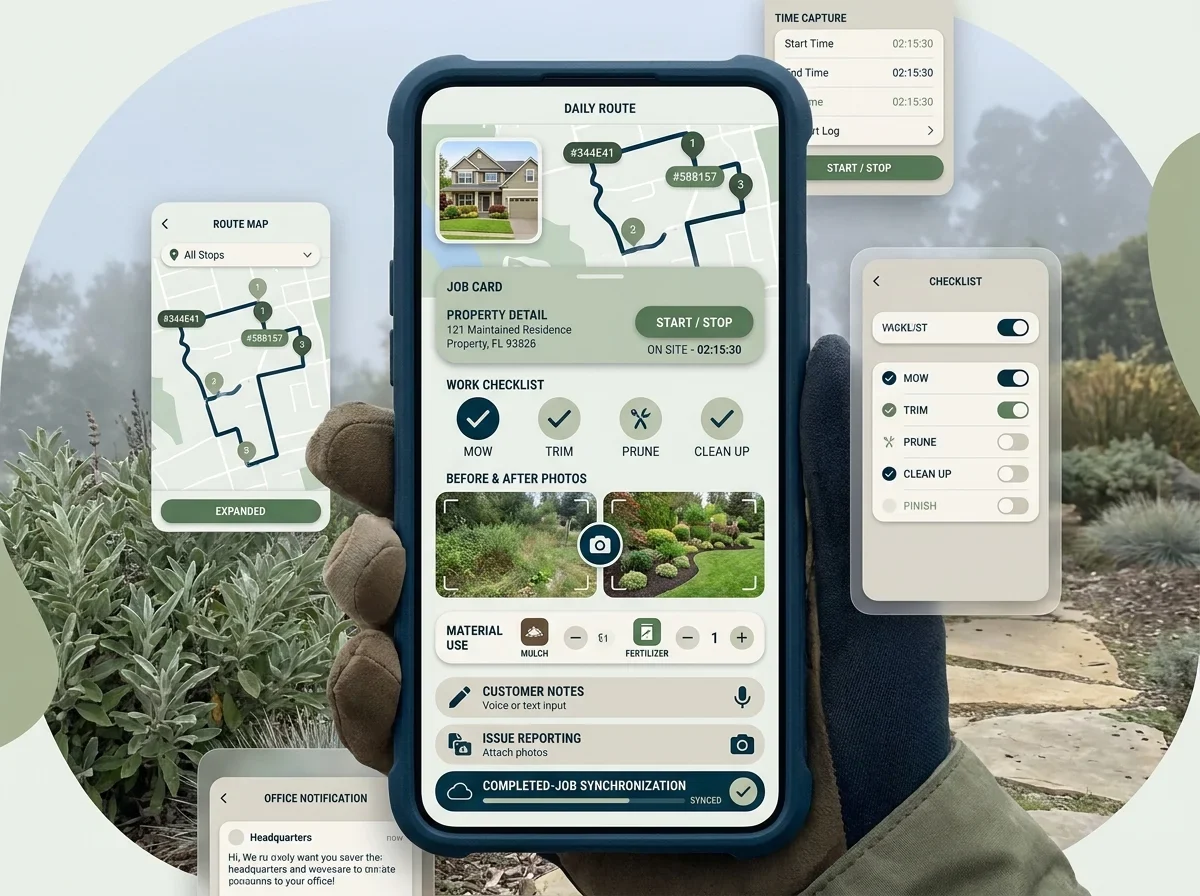
Mobile App Development For Landscapers
This fits operators that need a focused mobile product for crews, estimators, managers, or customers. It is also useful when a generic field app carries too many screens, cannot match the company’s process, or creates workarounds around photos, signatures, service requests, route notes, or property history.
Crew applications
See the fitEstimator tools
See the fitCustomer applications
See the fitRoute operations
See the fitProperty inspections
See the fitBranch management
See the fitLandscaping Mobile App Development: Where the System Breaks
Most mobile projects fail before development because the scope starts as “put everything in an app.” A useful mobile product has one clear user, one repeated job, limited decisions, and an integration path that keeps the office from retyping field data.
"The app has everything except the task we need."
- Crews send photos, notes, and signatures separately.
"The key task takes fewer taps and less training"
- Every field record reaches the correct customer and job.
What belongs in the app
We rank mobile workflows by frequency, error cost, field conditions, and integration value. The free growth audit identifies the smallest product that changes the operation, then separates later ideas from the release that must work first.
Stop Funding Work the Operation Cannot Use
More Of Custom Software & Integrations, As Its Own Service
Mobile app development is one part of Custom Software & Integrations. The audit decides which related services to activate first based on the constraint costing you booked work today.
Custom software development
Built around your operation.
View serviceWeb application development
Browser based business tools.
View serviceiOS & Android development
Native performance both platforms.
View serviceCustomer portal development
Clients self serve online.
View serviceCrew & field app development
Tools built for trucks.
View serviceEstimating & quoting software
Accurate pricing, faster quotes.
View serviceMobile App Development For Landscaping Business: What the Managed Service Covers
Managed mobile app development for landscaping companies combines strategy, build control, implementation, and reporting around one defined operating outcome.
Build a focused sequence for checklists, time, notes, materials, photos, signatures, and job completion.
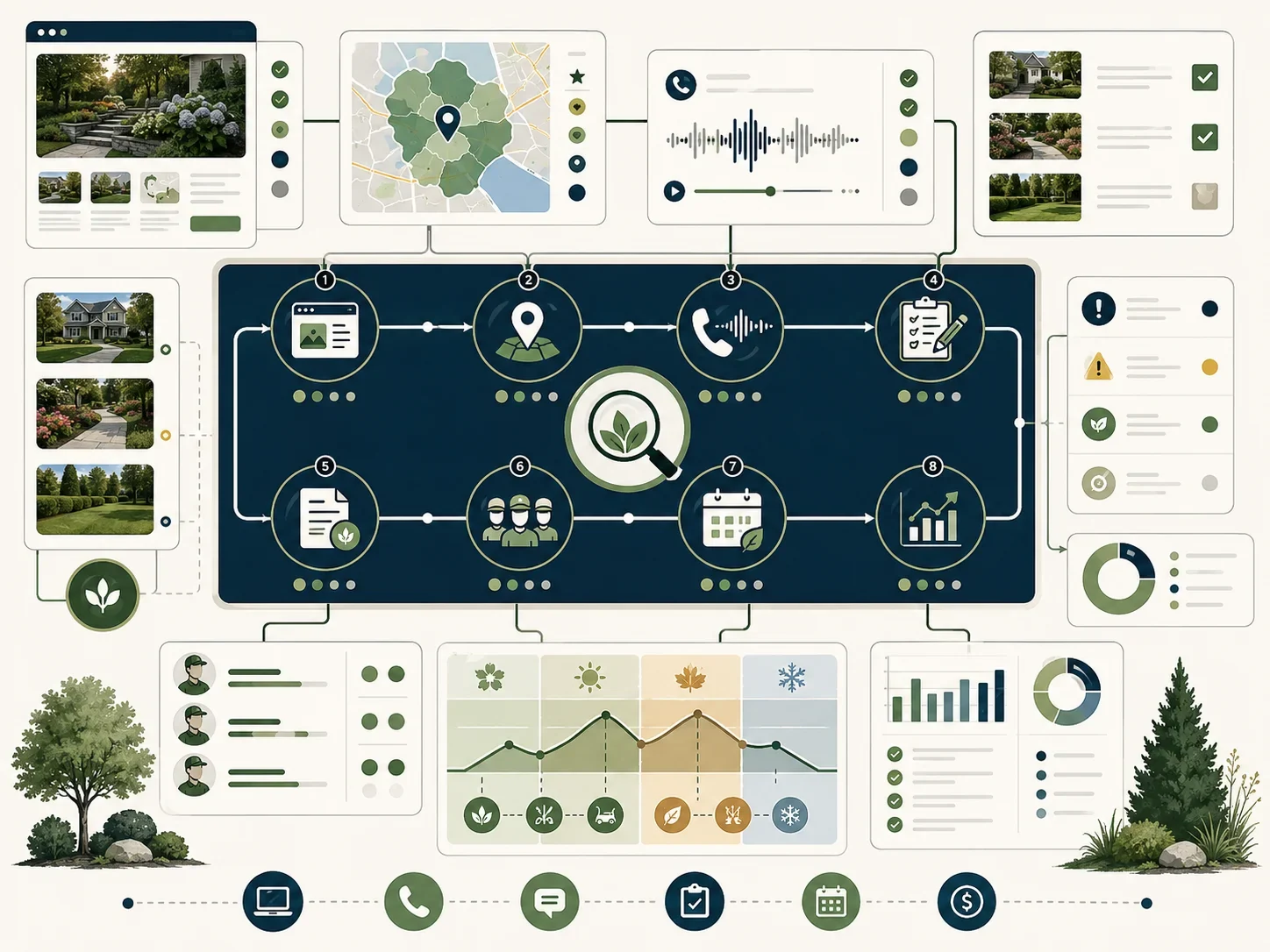
Capture measurements, property conditions, photos, options, and approvals without rebuilding the estimate later.
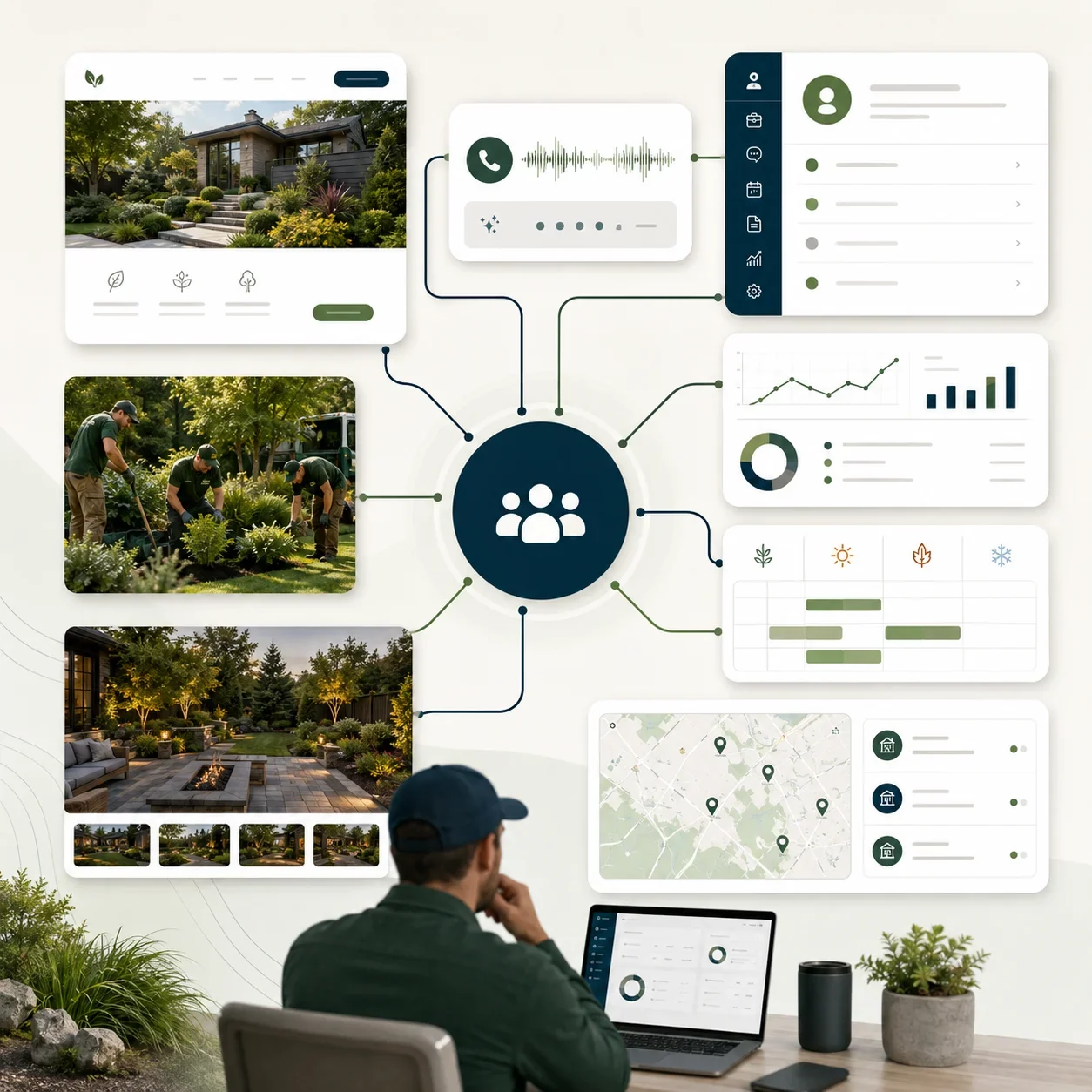
Support service requests, status, approvals, payments, documents, and notifications in a controlled mobile flow.
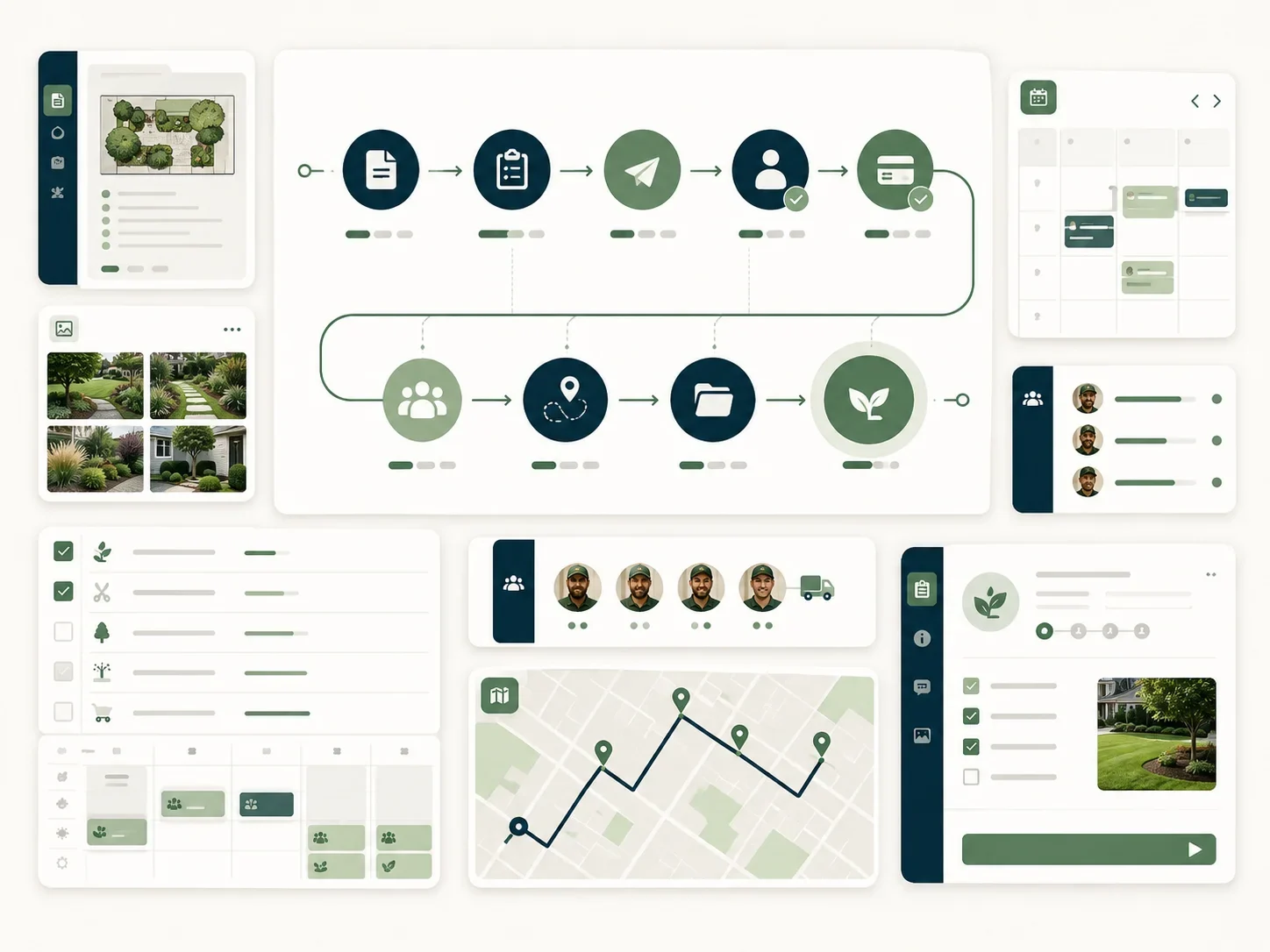
Show assigned work, route context, schedule changes, and weather instructions without exposing unnecessary back-office data.
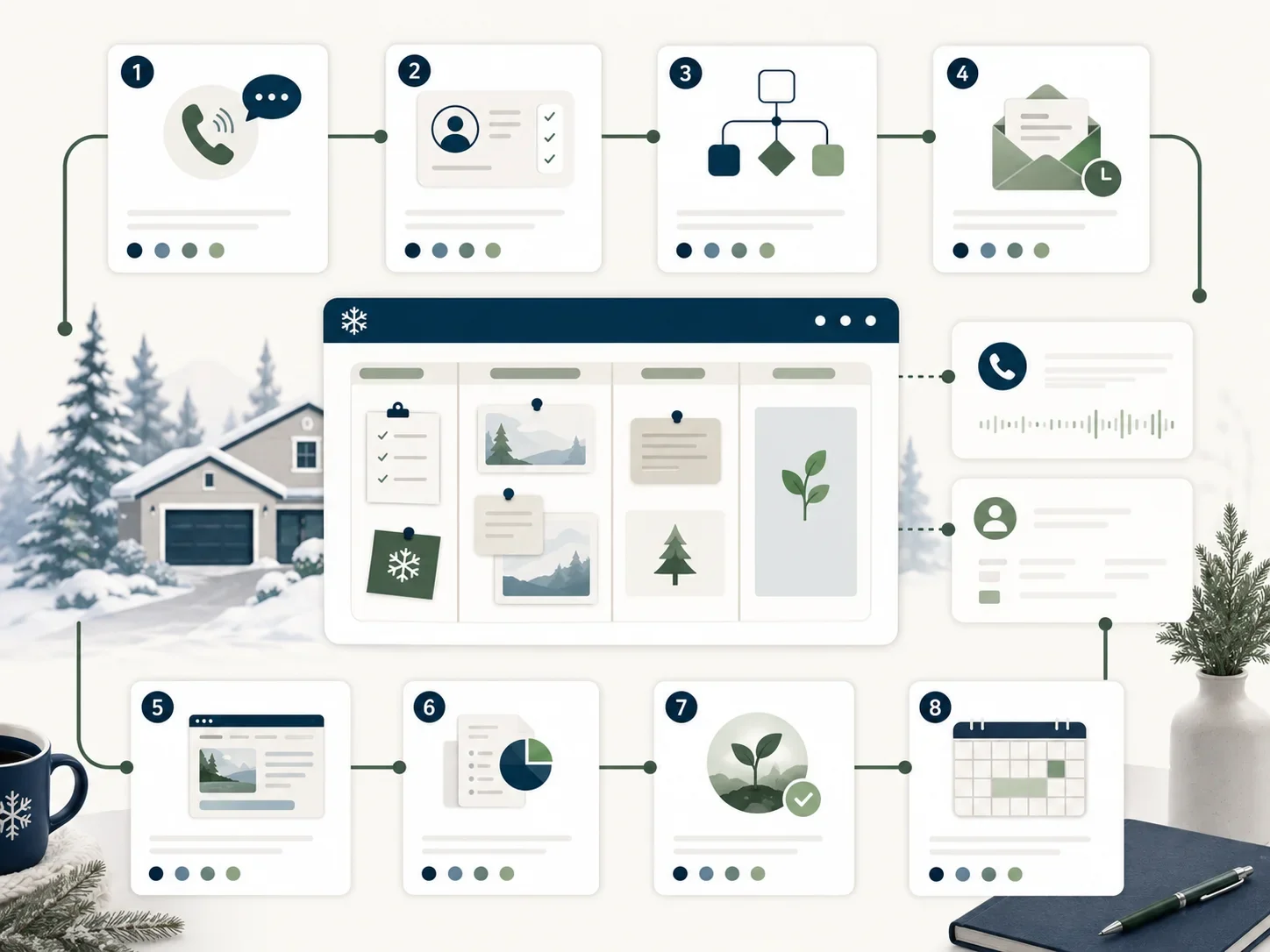
Measure activation, task completion, errors, abandonment, crashes, and version use against business outcomes.
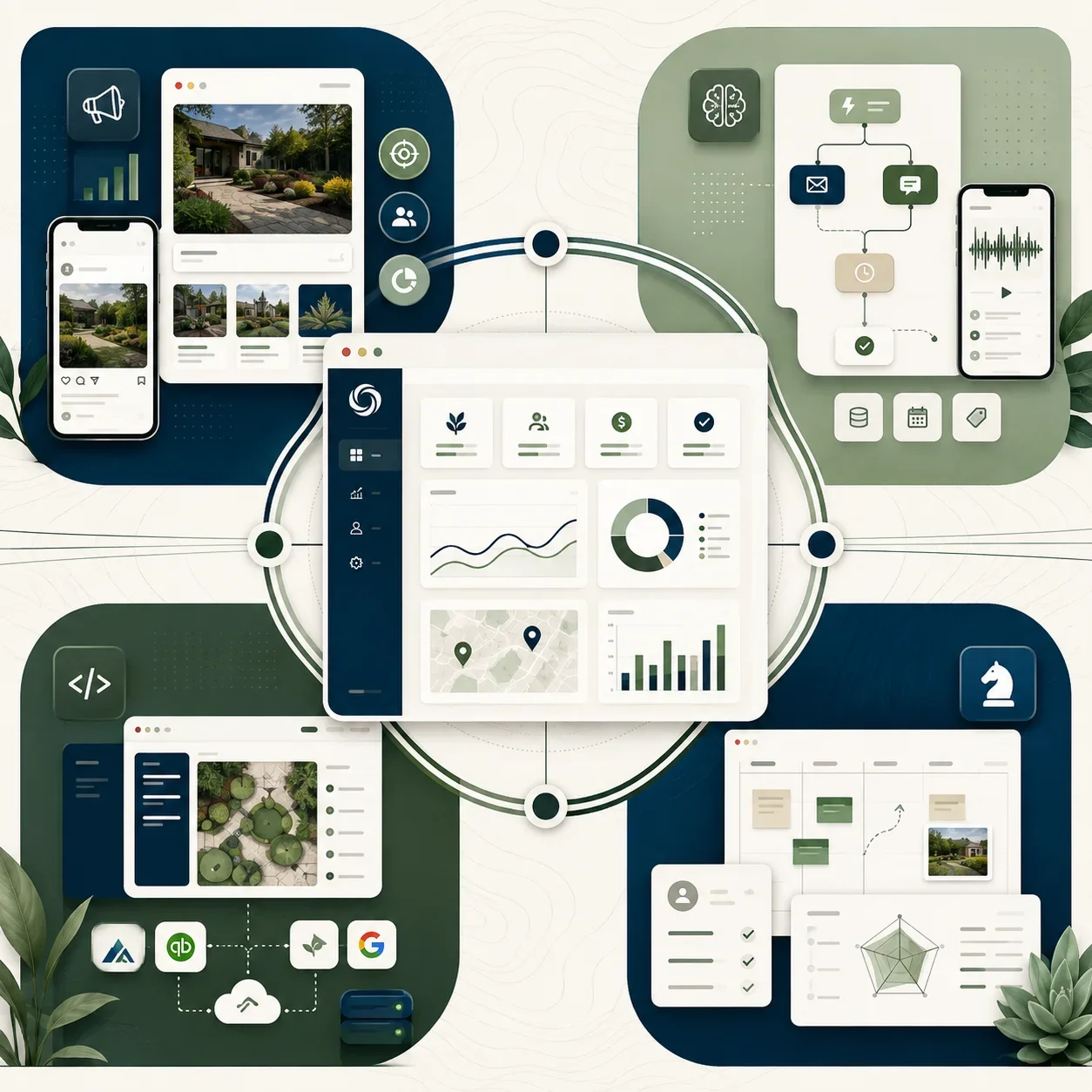
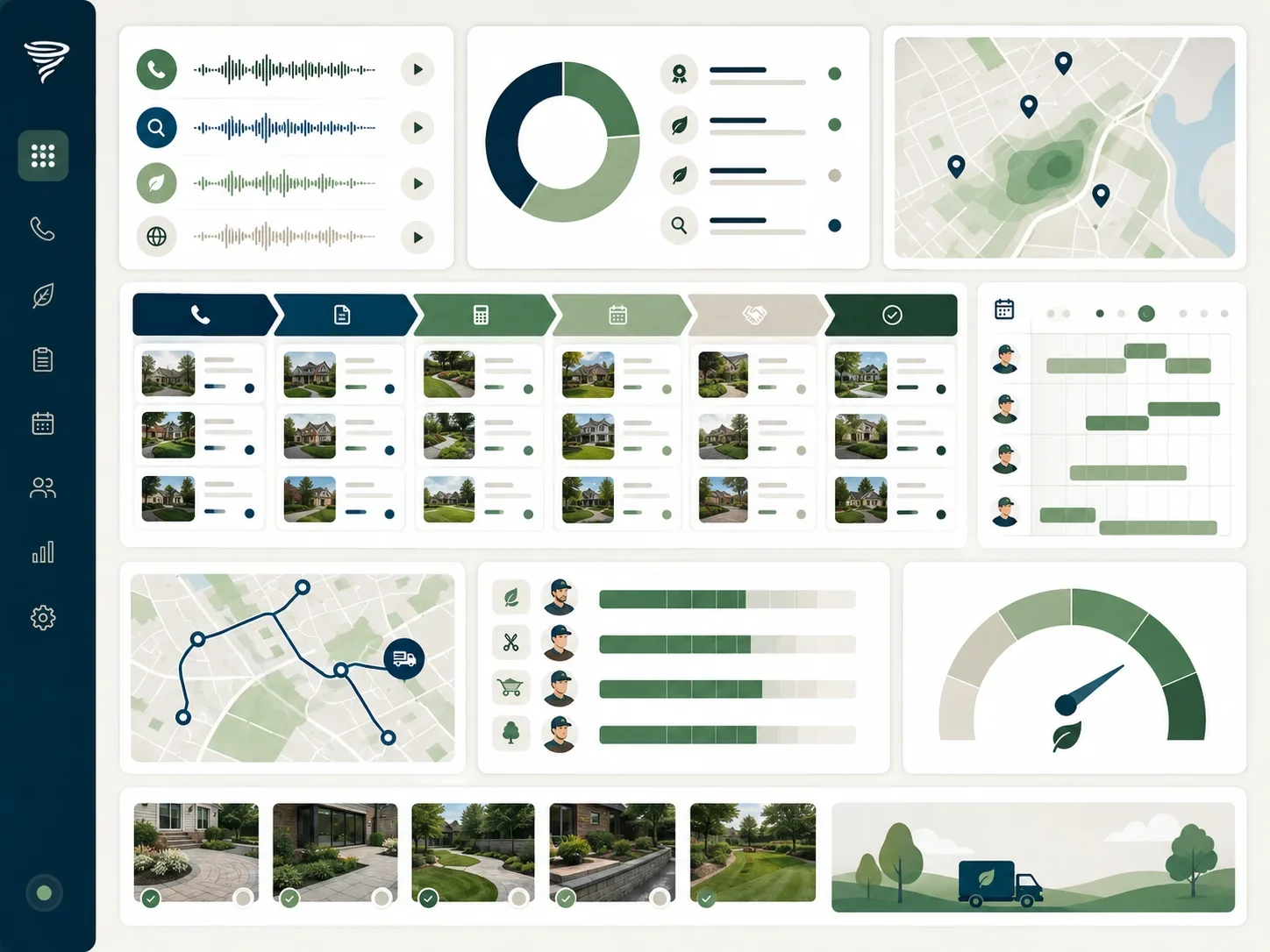
A Three-Step Operating Process, With Platforms and Owners Named
Map, test, build, and report against a commercial baseline.
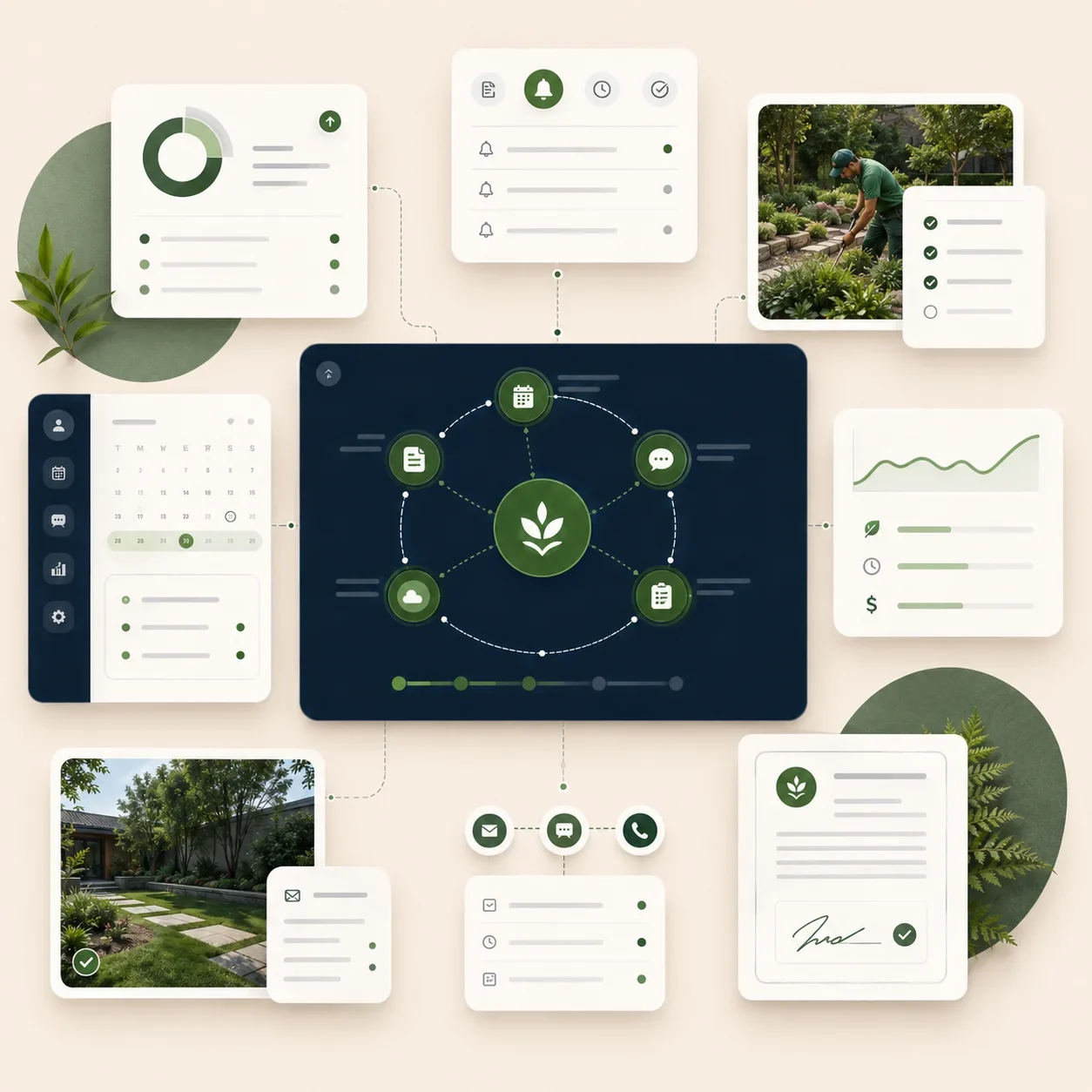
Prototype the product, choose the right delivery model
We test screens with real jobs before choosing native, cross-platform, or mobile web delivery. Figma, API prototypes, device testing, and system exports expose workflow and data problems while changes are still inexpensive.
- Real jobs test the prototype
- Technology follows operating need
- Integration risks surface early
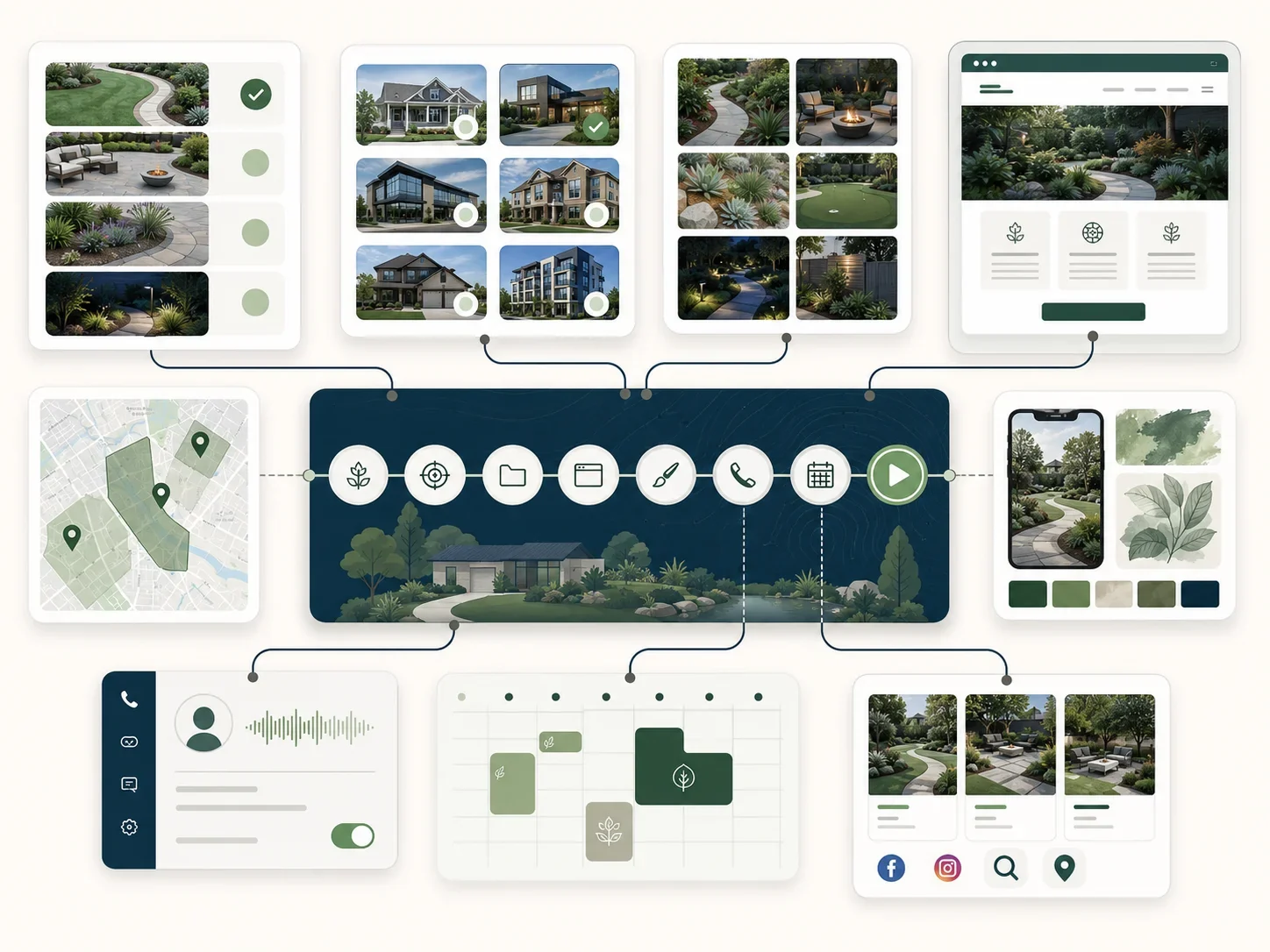
Build, release, and improve from actual use
We develop in controlled releases, connect the operating systems, support pilot users, and review defects and adoption weekly. Monthly reporting compares task completion, office rework, response time, and the commercial result tied to the app.
- Pilot users receive direct support
- Release records remain visible
- Usage decides the backlog
Mobile App Development Is One Part. We Run the Whole Thing.
One team runs marketing, AI, website work, and reporting. Scale fits coordinated multi-market execution.
One market, one service line, and focused execution for dependable growth.
See what's includedMulti-service growth with broader campaigns, website work, and stronger follow-up.
See what's includedMulti-branch execution with AI, automation, deeper reporting, and faster cadence.
See what's includedFranchise systems, complex integrations, and governance across markets and teams.
See what's includedFree Mobile app development Audit
Proof We Can Publish Today
We do not have a published case study for this service yet. Here is exactly how we run it, and here is what we measure.
“We stopped guessing which work paid. The mobile app development programme gave us one baseline, and the monthly review finally matched what the crews actually booked.”
“Everything sits in accounts we own, and every change is written down before it ships. That alone was worth the switch.”
more qualified enquiries in the first two quarters, measured against the pre-engagement baseline.
Every quote above is published with the client’s written approval, full name, role and company on file.
Questions Owners Ask Before Funding the Work
: 1. How does mobile app development help a landscaping company grow?
Mobile app development helps a landscaping company grow by making a repeated field or customer task easier to complete and easier to measure. It can improve estimate capture, crew reporting, service proof, approvals, routing, or communication. The app should remove operating friction; copying every desktop feature onto a phone usually adds more of it.
2. What does mobile app development include for landscaping businesses?
Mobile app development includes product discovery, workflow design, prototypes, technical architecture, application development, APIs, authentication, offline behavior, testing, release management, analytics, documentation, and support. The exact build may be native, cross-platform, or mobile web, depending on device features, field conditions, integration needs, and ownership cost.
3. How much does mobile app development cost for a landscaping company?
Mobile app development pricing for landscaping businesses begins with managed planning in Foundation at $2,000 per month, while full builds are quoted separately. Cost depends on user roles, offline use, integrations, device features, and release support. Growth is $3,000, Scale is $5,000, Enterprise is custom, and ad spend is excluded.
4. When should a landscaping company invest in mobile app development?
A landscaping company should invest when a valuable mobile task is slow, inaccurate, fragmented across tools, or unsupported by the current field platform. Outsourcing mobile app development for landscape contractors is useful when the company needs one team to handle product decisions, design, engineering, integrations, testing, releases, and adoption.
5. Can mobile app development support seasonal landscaping demand?
Yes. A mobile app can support seasonal onboarding, route changes, snow-event instructions, inspection forms, treatment records, enhancement approvals, and customer updates. Workflows can change by season without replacing the customer record. Rules should still reflect licences, branches, service areas, crew capacity, and the operating platform used by dispatch and billing.
6. How is performance measured for mobile app development?
Performance is measured through activation, repeat use, task completion, time per task, error rate, sync success, support demand, crash-free sessions, office rework, and business outcomes tied to the workflow. A crew app may be judged by complete field records; a customer app may be judged by approvals, payments, or service requests completed without staff intervention.
Mobile App Development Is One Part. We Run the Whole Thing.
Find the constraint, fund the right work, and review the commercial result every month.